


Have you ever wondered how essential protein is for your overall well-being? Many people overlook the impact of this vital nutrient on their health and energy levels. Understanding its role can transform your eating habits and enhance your lifestyle.
Incorporating nutrient-rich options into your daily routine is a crucial step toward achieving better health. The Recommended Dietary Allowance for this nutrient is 0.8 grams per kilogram of body weight. This means that a balanced diet can significantly support your fitness goals and energy needs.
This guide will introduce you to 40 different choices that can help you optimize your nutrition. By exploring various sources, you will learn how to maintain energy levels while supporting your physical well-being. Get ready to discover how to make smarter choices that will benefit your health for years to come!
Key Takeaways
- Incorporating nutrient-dense options is essential for better health.
- Understanding protein’s role is the first step to a healthy lifestyle.
- A balanced diet can help you meet your daily protein needs.
- Eating a variety of sources can enhance your energy levels.
- This guide offers 40 options to optimize your nutrition.
Introduction to a Protein-Powered Diet
Do you realize how vital protein is for maintaining your energy and vitality? This nutrient serves as the primary building block for your body. It is essential for your bones, cartilage, muscles, blood, and skin. Without adequate protein, your daily health may suffer.
There are nine essential amino acids that your body cannot produce. You must obtain these through your diet. Our overview of 40 options includes a variety of animal and plant-based sources to fit your nutritional needs.
By choosing the right sources, you ensure your body receives the necessary components for cell repair and growth. A well-planned diet featuring these options will keep you satisfied and energized throughout your busy day.
| Type | Examples | Benefits |
|---|---|---|
| Animal Sources | Chicken, Fish, Eggs | Complete proteins, rich in essential amino acids |
| Plant Sources | Lentils, Quinoa, Nuts | High in fiber, beneficial for digestion |
| Dairy | Milk, Yogurt, Cheese | Supports bone health, provides calcium |
Why Protein is Essential for Your Health
What if you realized just how much this nutrient contributes to your overall wellness? Proteins are not just building blocks; they are essential for many bodily functions. They play a critical role in processes like blood clotting, fluid balance, and immune response.
Your body relies on protein to perform vital functions, including:
- Regulating enzymes and hormones: These proteins help control various processes in your body.
- Maintaining a strong immune response: Proteins are crucial for fighting off infections.
- Repairing damaged cells: Every single day, your body uses amino acids to heal tissues.
Without adequate protein, your body struggles to maintain fluid balance or facilitate blood clotting. You can support your long-term health by prioritizing quality sources of this nutrient in every meal you prepare for yourself and your family.
Understanding Protein Quality and Complete Proteins
Did you know that not all proteins are created equal when it comes to your diet? The quality of the protein you consume can greatly impact your health. Understanding the difference between essential and nonessential amino acids is crucial for making informed choices.
Essential amino acids are those your body cannot produce on its own. You must obtain them through your diet. On the other hand, nonessential amino acids can be synthesized by your body. This distinction helps you plan meals that provide the necessary nutrients.
Essential vs. Nonessential Amino Acids
- Essential amino acids: Must be obtained from food sources.
- Nonessential amino acids: Can be produced by your body.
Benefits of Complete Protein Sources
Complete proteins contain all nine essential amino acids in the right proportions. Here are some benefits:
- A complete protein source supports efficient muscle synthesis.
- Foods like eggs and dairy provide a full profile of amino acids.
- Combining plant-based options can create a complete protein profile.
By understanding these concepts, you can enhance your diet and ensure your body receives the nutrients it needs.
Exploring high protein foods for Optimal Health
Have you considered the diverse range of options available to boost your daily intake of this essential nutrient? When exploring high protein foods, it’s crucial to look beyond marketing labels. Understanding the true nutritional value can make a significant difference in your diet.
The FDA defines an excellent source of protein as any food item that provides at least 10 grams per serving. This means you should prioritize foods that offer a high protein density. By doing so, you ensure you are getting the most nutritional benefit for your calories.
Choosing the right source for your protein needs can significantly improve your overall health. It can also help you reach your fitness milestones. Many delicious options are available to assist you in achieving your goals, especially when balanced with other essential nutrients like fiber and healthy fats.
Animal-Based Protein Sources and Their Benefits
Do you know how incorporating lean meats and dairy can improve your overall health? These sources are rich in essential nutrients that support your body’s functions. They provide high-quality protein, which is vital for muscle repair and overall wellness.
Lean meats, such as chicken breast and lean beef, are excellent choices. A 3-ounce serving of lean beef delivers 24.6 grams of protein, making it a fantastic option for your meals.
Eggs are another great addition to your diet. One large egg contains 6.3 grams of protein and offers antioxidants and healthy fats that are beneficial for your body.
Dairy products, like Greek yogurt and milk, are packed with calcium and other nutrients that help maintain bone health and muscle function. They can be a delicious way to enhance your daily intake.
Seafood, including salmon and tuna, provides not only high-quality protein but also omega-3 fatty acids. These are known for supporting heart health and reducing inflammation.
When selecting meat, opting for lean cuts can help you minimize saturated fat intake while still benefiting from the nutrient-rich content.
| Source | Protein (grams) | Key Nutrients |
|---|---|---|
| Lean Beef (3 oz) | 24.6 | Iron, Zinc |
| Egg (1 large) | 6.3 | Vitamins D, B12 |
| Greek Yogurt (1 cup) | 20 | Calcium, Probiotics |
| Salmon (3 oz) | 22 | Omega-3, Vitamin D |
Plant-Based Protein Power for a Balanced Diet
Are you aware of the incredible benefits that plant-based sources can bring to your meals? Incorporating options like beans, legumes, and lentils can enhance your diet significantly. These foods are not only rich in nutrients but also provide essential fiber, which helps keep you feeling full and supports digestive health.
Adding nuts and seeds to your daily routine is another excellent way to boost your nutrition. They offer healthy fats, vitamins, and minerals that are vital for overall well-being. Plus, quinoa stands out as a fantastic choice because it is a complete protein, providing all essential amino acids along with vital minerals like manganese and phosphorus.
By including a variety of legumes in your meals, you ensure a wide range of nutrients while maintaining a balanced, plant-forward diet. These options are not only good for your health but also promote sustainability, making them an excellent way to meet your daily protein needs.
| Source | Protein (grams per cup) | Fiber (grams per cup) |
|---|---|---|
| Lentils | 18 | 15.6 |
| Chickpeas | 15 | 12.5 |
| Quinoa | 8 | 5 |
| Black Beans | 15 | 15 |
| Almonds | 6 | 3.5 |
High Protein Foods for Muscle Gain and Weight Loss
Are you aware of how a balanced intake of nutrients can significantly impact your fitness journey? Research suggests that a diet rich in protein can lead to weight loss and help prevent weight regain after initial success.
If your goal is muscle gain, consuming enough protein is crucial. It helps repair muscle cells that break down during exercise. For those focusing on weight loss, these nutrient-rich options can keep you feeling satisfied longer, potentially reducing your overall calorie intake.
Aiming for lean protein choices ensures you receive the necessary building blocks without excessive saturated fat. Regular protein intake throughout the day supports muscle repair and growth, which is vital for anyone engaged in physical activity.
By managing your food choices carefully, you can support your body composition goals while still enjoying delicious and satisfying meals every day.
| Source | Protein (grams) | Calories |
|---|---|---|
| Chicken Breast (3 oz) | 26 | 140 |
| Tofu (1 cup) | 20 | 144 |
| Salmon (3 oz) | 22 | 175 |
| Egg (1 large) | 6 | 70 |
Essential Amino Acids and Their Impact on Your Well-Being
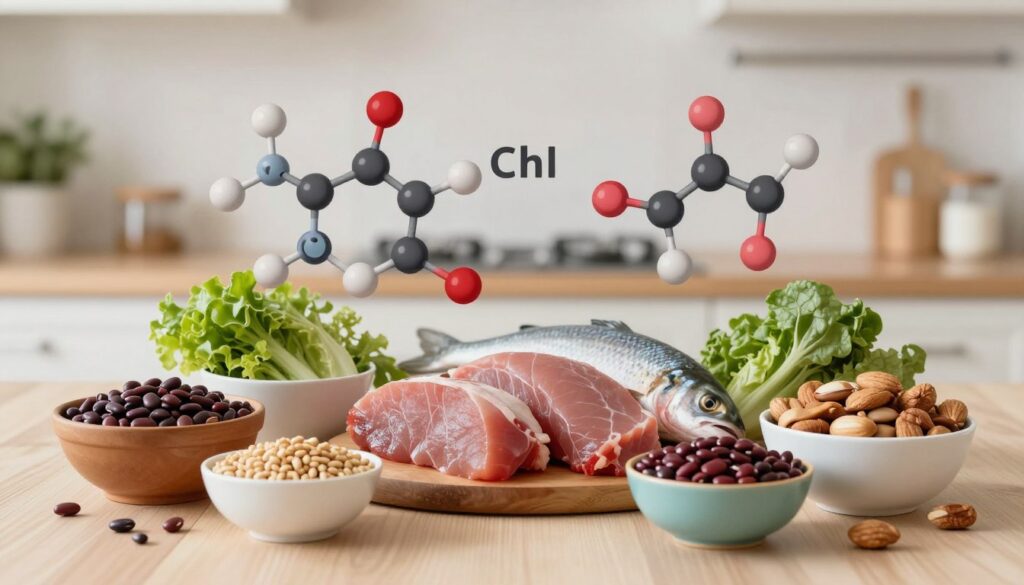
Do you know how crucial essential amino acids are for your body’s recovery and performance? These nine amino acids are vital because your body cannot produce them. You must obtain them through your diet to support essential bodily functions.
These amino acids are the primary tools your body uses to repair muscle tissue after a challenging workout. By consuming a variety of protein sources, you ensure that your body has access to all the essential amino acids it requires.
The process of muscle repair heavily relies on the availability of these building blocks. This is why timing your protein intake is important. You can improve your recovery time by focusing on high-quality options that provide a complete profile of the necessary amino acids.
Low-Fat Protein Options for a Healthy Lifestyle
Have you thought about how choosing lighter protein options can enhance your meals? Lean proteins are defined as choices that are lower in fat, helping you cut down on unnecessary calories in your diet. By making mindful selections, you can enjoy delicious meals while supporting your health.
Here are some great ways to incorporate these options:
- Choosing lean protein options like skinless chicken breast or white fish allows you to maximize your intake while minimizing fat.
- Many low-fat dairy products, such as fat-free Greek yogurt, provide a significant amount of protein without adding excess calories to your day.
- You can maintain a healthy lifestyle by selecting lean and light products that support your nutritional goals without compromising on flavor.
- It is important to read labels carefully to ensure that the products you choose are truly low in fat and high in protein.
- Incorporating these lean choices into your meal plan helps you stay on track with your health objectives while enjoying diverse food options.
The Role of Protein in Maintaining Lean Muscle Mass
Have you thought about how important it is to maintain your muscle mass as you age? For individuals over 50, increasing your intake to one gram of this nutrient per kilogram of body weight can be beneficial. This simple adjustment can help you keep your strength and vitality.
As people age, it becomes increasingly crucial to maintain lean muscle mass. This not only supports mobility but also enhances metabolic health and promotes long-term physical independence.
- To prevent the natural decline in muscle mass, aim to consume enough protein every single day.
- Research shows that boosting your intake can help preserve muscle tissue, even as your activity levels change over time.
- By prioritizing this nutrient in your diet, you equip your body with the resources needed to stay strong and resilient throughout life.
- Consistent consumption is a key strategy for anyone looking to maintain physical strength and support long-term health goals.
How to Choose Nutrient-Dense Protein Foods
What strategies can you use to identify the most beneficial protein-rich foods? Evaluating your options can significantly impact your health. By focusing on both calories and protein content, you can make informed choices that enhance your diet.
Evaluating Calorie and Protein Density
When assessing nutrient-dense protein options, consider both the total calories and the protein per serving. One gram of this nutrient provides roughly four calories. You can calculate protein density by multiplying the grams of protein by four and dividing that by the total calories in the food.
Understanding the Protein Package
The « protein package » refers to the additional components in your food, such as vitamins, minerals, fiber, and healthy fats. These factors matter for overall health. Choosing foods that offer a high ratio of protein to calories ensures you are getting the most nutritional value for your daily intake.
- Evaluate both calories and protein per serving.
- Understand the protein package, including other nutrients.
- Calculate protein density for better food choices.
- Prioritize options that maximize nutritional benefits.
- Make informed decisions to support your health goals.
| Food Option | Calories | Protein (grams) |
|---|---|---|
| Chicken Breast (3 oz) | 140 | 26 |
| Greek Yogurt (1 cup) | 100 | 20 |
| Lentils (1 cup) | 230 | 18 |
Using Protein Powders and Supplements Wisely
Have you thought about how convenient it can be to incorporate supplements into your daily routine? Protein powders can serve as a quick source of nutrition, especially when you find yourself short on time to prepare a full meal. However, it’s essential to remember that these supplements should complement your diet, not replace the nutrients from whole food sources.
There are various options available, including whey, casein, soy, and pea protein. Each type offers unique benefits tailored to your specific needs. For instance, whey protein provides about 16.6 grams of protein per scoop, while pea protein offers around 15 grams. This flexibility allows you to choose a source that aligns with your dietary preferences.
Different Types of Protein Supplements
- Whey Protein: Fast-absorbing and great for post-workout recovery.
- Casein Protein: Slow-digesting, ideal for overnight muscle repair.
- Soy Protein: A complete plant-based option suitable for vegetarians.
- Pea Protein: A great alternative for those with dairy allergies.
When to Add Supplements to Your Diet
Adding a scoop of protein powder to your smoothie or yogurt can be an easy way to boost your intake during a busy day. Prioritize whole foods first, using supplements only when necessary to help you reach your daily protein targets effectively. This balanced approach will ensure you meet your nutritional goals while enjoying a variety of delicious meals.

Incorporating Quinoa and Other Complete Plant Proteins
Have you explored the nutritional power of quinoa and other complete plant proteins? These foods not only provide essential nutrients but also support a balanced diet. Quinoa stands out as a complete protein, offering vital minerals like copper and phosphorus that your body needs.
Incorporating quinoa into your meals is an excellent way to add a complete protein source that is also rich in dietary fiber. Pairing it with other vegetables and legumes can maximize the nutrients in your plant-based dishes, creating a well-rounded meal.
Cooking quinoa properly is essential to retain its texture and nutritional value. This ensures that it becomes a delicious addition to any healthy food plan. Additionally, other complete plant proteins, such as soy products, can diversify your meals and ensure you get all the amino acids necessary for optimal health.
By experimenting with different cooking methods, you can make these plant-based proteins a staple in your kitchen. This approach not only enhances your meals but also supports long-term health success.
Tips to Balance Protein with Other Macronutrients
Do you realize that managing your macronutrients can significantly affect your energy levels? Maintaining a balance of protein, carbohydrates, and fats is essential for overall health. This approach helps prevent dietary imbalances in your daily intake.
Effective meal planning allows you to balance your protein intake with the right amount of carbohydrates and fats for your body. Here are some key strategies to consider:
- Distribute protein consumption: Aim to spread your protein intake throughout the day. This ensures your body has a steady supply of nutrients.
- Maintain energy levels: Balancing your macronutrients helps you sustain consistent energy without feeling deprived or overly restricted.
- Plan meals in advance: By doing so, you can easily account for your total calories and ensure you meet your nutritional needs.
- Include variety: A well-rounded diet that incorporates different macronutrients is the most sustainable way to achieve your desired fitness level.
By following these tips, you can enhance your diet and support your overall health goals.
| Macronutrient | Recommended Percentage of Daily Calories | Examples |
|---|---|---|
| Protein | 10-35% | Meat, beans, dairy |
| Carbohydrates | 45-65% | Fruits, grains, vegetables |
| Fats | 20-35% | Nuts, oils, avocados |
Creative Ways to Enjoy Protein-Rich Meals Daily
Are you looking for exciting ways to incorporate nutrient-rich meals into your daily routine? With a little creativity, you can enjoy a variety of options that make eating both enjoyable and healthy.
Simple recipes can easily include ingredients like chicken, beans, or Greek yogurt. These versatile components can transform your meals and keep your taste buds satisfied.
Here are some delicious ideas to keep your protein intake high:
- Snack on nuts, seeds, or a small portion of cottage cheese between meals to maintain energy levels.
- Adding peanut butter to a high-carb meal can help reduce blood sugar spikes, making it a smart snack choice for your day.
- Incorporate a mix of foods to avoid monotony in your diet while still hitting your health targets.
- Simple changes, like sprinkling pumpkin seeds on your salad, can significantly boost the nutritional value of your meals.
- Keep a few go-to snack options handy to steer clear of unhealthy choices and stay committed to your nutritional goals.
Conclusion
In conclusion, prioritizing quality nutrition in your daily meals is one of the most effective ways to support your long-term health and well-being. By choosing a diverse range of animal and plant-based sources, you ensure your body receives all the essential amino acids it needs.
Your requirements can change based on activity level, age, and specific fitness goals throughout your life. Whether you prefer lean meat, dairy, or plant-based options, there are plenty of delicious ways to meet your daily needs.
Start incorporating these 40 nutrient-rich options into your routine today to experience the benefits of better nutrition and sustained energy throughout your day.