

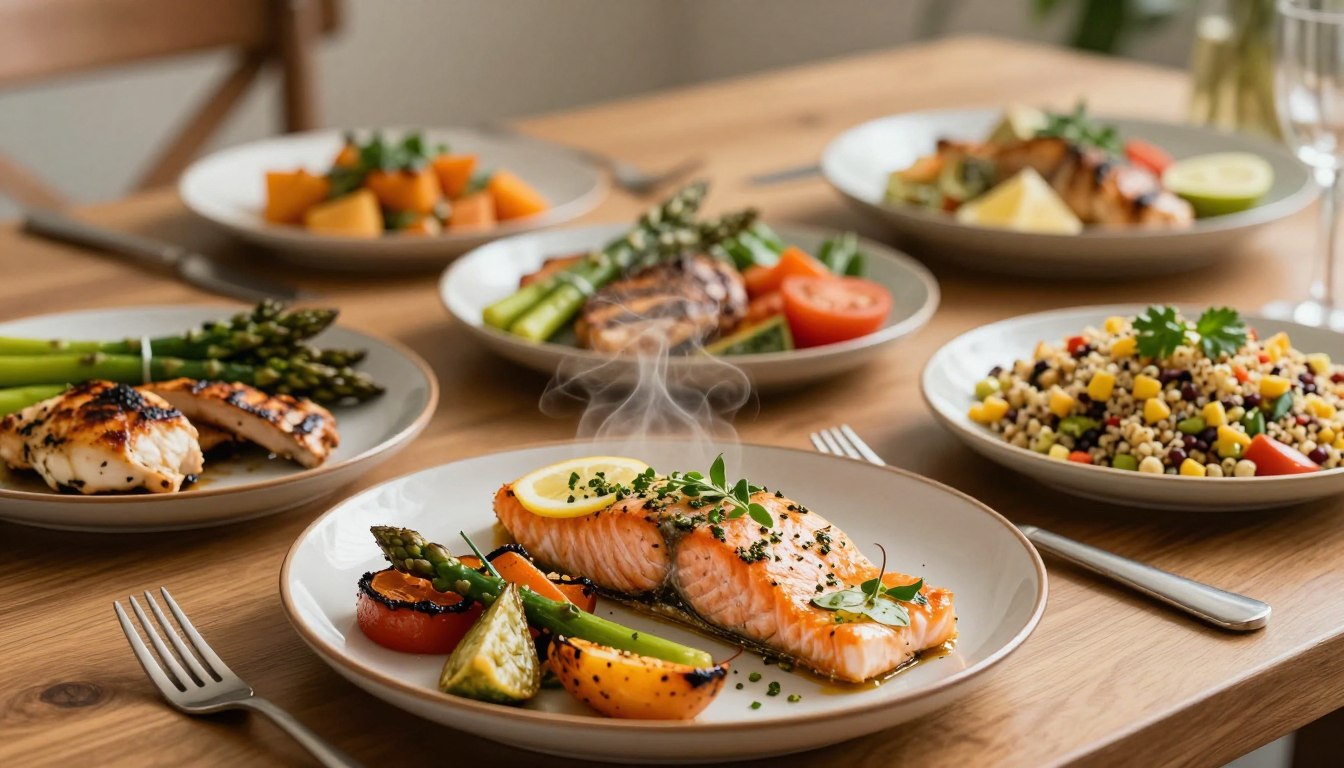
Did you know that nearly 70% of Americans struggle to maintain a balanced diet? With busy schedules and endless options, it can be challenging to find meals that are both satisfying and healthy. That’s where this collection comes in!
Here, you’ll discover 25 unique recipe ideas that prioritize lean ingredients while keeping your calorie intake under 500 per meal. Each recipe is crafted to help you stay energized throughout your evening, making it easier to enjoy your favorite foods without guilt.
Photographer Rachel Vanni has beautifully captured these dishes, ensuring that your culinary journey is as appealing to the eyes as it is to the palate. Whether you love chicken or prefer plant-based meals, this list offers a variety of flavors that cater to every taste.
By following this curated guide, you can manage your macros effectively while indulging in delicious, wholesome food. Get ready to transform your mealtime with these exciting options!
Key Takeaways
- Explore a variety of meals that keep calories in check.
- Beautifully photographed recipes enhance your cooking experience.
- Focus on energy-boosting ingredients for busy evenings.
- Carefully selected dishes support fitness and weight goals.
- Diverse flavors cater to both meat lovers and plant-based eaters.
- Emphasis on high-quality ingredients ensures satisfaction.
- Enjoy the joy of eating while managing your dietary needs.
Welcome to Delicious Low Carb High Protein Dinner Ideas
The idea that healthy food lacks taste is a myth worth debunking. Welcome to a world of delicious recipes that prove you do not need to compromise on flavor to reach your health goals. Sam Oriach emphasized that chef-crafted meal plans are the most effective way to remove the stress of portion guessing, making healthy eating easier.
Our collection of meal ideas focuses on high-quality food that keeps you satisfied while supporting your body’s natural recovery mode at night. You will discover how to layer flavor into every bite, transforming your meals into a culinary upgrade.
These recipes are designed for home cooks who want to enjoy restaurant-quality meals without the high calorie count. We believe that eating well should be a highlight of your day, providing the fuel you need to feel your absolute best.
| Recipe Name | Main Ingredients | Calories | Flavor Profile |
|---|---|---|---|
| Grilled Chicken Salad | Chicken, Mixed Greens, Avocado | 350 | Citrus & Herb |
| Stuffed Bell Peppers | Ground Turkey, Quinoa, Spices | 400 | Spicy & Savory |
| Cauliflower Stir-Fry | Cauliflower, Broccoli, Soy Sauce | 300 | Umami & Crunchy |
Benefits of a Low Carb High Protein Dinner
Eating well is more than just a trend; it’s a way to fuel your body effectively. One of the key advantages of meals rich in protein is their role in muscle recovery. After a workout or a long day, your body needs the essential amino acids found in protein to rebuild and repair muscle tissue.
Additionally, these meals help you transition from energy output to recovery mode as the day winds down. When you reduce your intake of carbs in the evening, you stabilize blood sugar levels. This is crucial for preventing those late-night cravings that can derail your healthy eating efforts.
Moreover, a protein-rich approach leads to better sleep quality and consistent energy levels upon waking. These meals are designed to align with your body’s natural rhythm, ensuring you feel nourished rather than heavy before bed. Remember, « A well-fed body is a well-functioning body. » Consistent intake of high-quality protein lays the foundation for long-term health and improved physical performance.
Low Carb High Protein Dinner: What You Need to Know
Understanding what makes a satisfying meal is essential for your health journey. Lean proteins like chicken breast, beef, and salmon serve as the primary anchors for a successful plate. These choices not only offer great flavor but also provide the necessary nutrients your body craves.
Incorporating a variety of vegetables ensures you get the fiber and micronutrients needed for optimal digestion. Fresh produce adds volume and essential nutrients without increasing carbohydrate intake. Every recipe we recommend emphasizes these fresh ingredients.
Here are some key points to keep in mind:
- Select the right lean meat to serve as your anchor.
- Focus on high-quality ingredients that align with your wellness objectives.
- Learning how to balance your plate is crucial for weight management.
- Make informed choices about the meat and produce you purchase.
- Mastering these fundamentals supports a sustainable eating pattern.
| Lean Meat Options | Vegetable Pairings | Health Benefits |
|---|---|---|
| Chicken Breast | Broccoli | High in protein, low in fat |
| Salmon | Spinach | Rich in omega-3 fatty acids |
| Lean Beef | Asparagus | Supports muscle growth |
How to Build a Balanced Dinner Plate
Crafting a well-rounded meal is essential for your health and wellness. A balanced plate follows a simple formula: a protein anchor, a generous portion of low-carb veggies, and healthy fats. This combination not only satisfies your hunger but also provides the nutrients your body needs.
After an intense workout, consider adding 30-100g of strategic carbs to replenish your glycogen stores. These slow-digesting carbs, like sweet potatoes or quinoa, will help maintain your energy levels throughout the night.
- Start with a protein anchor, such as chicken or fish.
- Include a variety of low-carb veggies for added nutrients.
- Incorporate healthy fats, like olive oil or avocado, for flavor.
- Customize your meal based on your activity level and nutritional needs.
- Experiment with different protein and fat combinations to keep meals exciting.
Ingredient Spotlight: Chicken and Lean Proteins
When it comes to crafting satisfying meals, choosing the right proteins is crucial. Chicken breast stands out as a versatile and lean option, making it an ideal base for numerous healthy recipes. A 150g serving of chicken breast offers a high-quality source of lean protein, essential for your evening meals.
If you’re looking to mix things up, lean turkey mince is an excellent alternative. It allows you to maintain your macro goals while keeping your meals exciting. Selecting the right meat is vital to ensure your dishes are both rich in protein and low in unnecessary calories.
Here are some tips to consider:
- Prepare chicken in batches to save time during busy weeks.
- Grill, sear, or bake your chicken for a variety of flavors.
- Focus on high-quality chicken and turkey for optimal recovery.
Ingredient Spotlight: Veggies and Low-Carb Alternatives
Incorporating a variety of vegetables into your meals can transform your dining experience. Not only do they add color and flavor, but they also provide essential nutrients. Two standout options are cauliflower and zucchini, which serve as fantastic low-carb alternatives.
For instance, 200g of steamed and mashed cauliflower can replace traditional potato mash, offering a creamy texture without the extra carbs. Additionally, zucchini noodles are perfect for enjoying pasta-like dishes while keeping your carbohydrate intake significantly lower.
- Cauliflower rice is a staple in our kitchen because it mimics the texture of grains while being incredibly low in carbs.
- You can use zucchini noodles to replace traditional pasta, allowing you to enjoy your favorite Italian-inspired food without the bloat.
- Incorporating a variety of vegetables like broccoli or spinach ensures you get the fiber needed for a healthy digestive system.
- We suggest using cauliflower rice as a base for stir-fries or curries to add volume to your meal without extra calories.
- These low-carb alternatives are essential for anyone looking to maintain a high protein intake while managing their overall carbohydrate consumption.
- By stocking your pantry with these versatile veggies, you can whip up a nutritious meal in just a matter of minutes.
Flavor Boosters: Sauces, Herbs, and Spices
Flavor can elevate any meal, transforming the ordinary into the extraordinary. Simple sauces and fresh herbs can make a significant difference in your cooking. For instance, whisking tahini with lemon juice and water creates a smooth, flavorful dressing that pairs beautifully with salmon or roasted vegetables.
Fresh herbs like coriander or parsley add brightness and complexity to your dishes. A well-made sauce can turn simple ingredients into a restaurant-quality meal you’ll look forward to every night. Here are some tips to enhance your meals:
- Use fresh herbs to add vibrant flavor without significant calories.
- Experiment with spices to explore global flavors while staying within your macro targets.
- Keep a variety of dried herbs and spices on hand for easy flavor enhancements.
- A light dressing or zesty sauce can make healthy eating feel indulgent.
Cooking Techniques for Quick and Healthy Meals
When life gets busy, you need cooking methods that fit your schedule. Quick techniques can help you whip up delicious meals without spending hours in the kitchen. Embracing efficient cooking strategies will make your evenings more enjoyable and less stressful.
One-pan meals are a game changer. They reduce cleanup time while ensuring your food is cooked to perfection. For instance, grilled chicken with cauliflower mash takes only about 20-25 minutes from start to finish. Mastering quick cooking techniques like searing allows you to prepare a high-quality meal in under 30 minutes.
Meal prep is another effective strategy. By batch-cooking your proteins and vegetables, you can assemble a healthy dinner in minutes. Spending a little time on Sunday to prep your ingredients pays off throughout the week. These methods are designed for busy individuals who refuse to sacrifice their health goals due to time constraints.
- Quick cooking techniques save you valuable time.
- One-pan meals simplify cleanup and cooking.
- Batch-cooking proteins and veggies makes dinner assembly easy.
- Investing time in meal prep leads to healthier choices.
- Streamlined kitchen processes ensure nutritious meals are always ready.

Creative Recipe Variations and Ingredient Swaps
Exploring new twists on classic recipes can make mealtime exciting. You can easily swap ingredients to create dishes that cater to your taste preferences. This not only keeps your meals fresh but also helps you maintain a balanced diet.
For example, lean beef mince is a great protein swap for chicken in recipes like bolognese or stuffed peppers. This substitution adds a different flavor while still being satisfying. If you prefer plant-based options, tofu is a versatile ingredient that absorbs the flavor of any sauce, making it perfect for various recipe variations.
Substituting Proteins: Beef, Tofu, and More
You can easily swap beef for tofu in almost any recipe to create a vegetarian version that is still high in protein. This flexibility allows you to enjoy your favorite meals while meeting your dietary needs.
Adjusting Sauces for Personalized Flavor
Adjusting the ingredients in your sauce allows you to personalize every recipe to match your specific taste preferences. We encourage you to experiment with different types of meat and plant-based proteins to keep your dinner rotation fresh and exciting.
- A simple recipe can be transformed into something entirely new just by changing the spices or the type of protein used.
- Understanding how to swap ingredients is a key skill that will help you stay consistent with your diet over the long term.
- These creative variations ensure that you never get bored with your meals, even when you are following a strict plan.
| Ingredient Swap | Original Ingredient | New Ingredient | Flavor Profile |
|---|---|---|---|
| Beef Mince | Chicken | Lean Beef | Rich & Savory |
| Tofu | Beef | Tofu | Neutral & Adaptable |
| Spices | Standard Seasoning | Custom Blend | Varied & Unique |
Budget-Friendly Meal Strategies
Eating healthy on a budget is not only possible, but it can also be enjoyable. With a few smart strategies, you can source your ingredients wisely and plan your meals effectively.
For instance, tofu satay skewers are a cost-effective option, costing about $6.80 per serving in Sydney markets. By buying seasonal vegetables and bulk protein, you can keep your food costs low while enjoying high-quality meals.
- Eating well does not have to be expensive if you use smart strategies to source your ingredients and plan your meals.
- You can save significant money by purchasing protein in bulk and utilizing affordable, nutrient-dense food like tofu or seasonal vegetables.
- Planning your meals around what is on sale at the grocery store is a great way to reduce your weekly food budget.
- Investing a little time in planning your shopping list will prevent impulse buys and ensure you have everything you need for the week.
These budget-friendly strategies prove that a healthy lifestyle is accessible to everyone, regardless of their financial situation. Enjoying nutritious meals can be easy and affordable!
Time-Saving Tips: Cooking Under 30 Minutes
In today’s fast-paced world, getting a healthy meal on the table quickly is essential. You can achieve this by mastering some simple cooking techniques and prep hacks. This section will guide you through effective strategies to prepare delicious meals in under 30 minutes.
Quick Prep Hacks and Cook Time Reduction
For instance, turkey lettuce cups can be ready in just 15 minutes, making them perfect for a speedy weeknight meal. Similarly, a prawn and Asian greens stir-fry can be cooked from start to finish in the same amount of time.
- Master the art of cooking in under 30 minutes by pre-chopping your vegetables ahead of time.
- Choose recipes that use quick-searing proteins like prawns or ground turkey to reduce cooking time.
- Keep your pantry stocked with essential ingredients to avoid last-minute store trips.
- These time-saving tips help you serve a healthy meal even when you’re exhausted.
- By focusing on efficient cooking methods, you can reclaim your evenings for relaxation.
- Every minute saved in the kitchen is a minute you can dedicate to your recovery and well-being.
Incorporating Balanced Carbs for Active Lifestyles
If you lead an active lifestyle, incorporating the right amount of carbs is essential for replenishing your glycogen stores after training. One cup of cooked brown rice provides a steady source of energy, making it an excellent choice to pair with your meals.
Active adults should aim for 0.5 to 1 gram of carbs per kilogram of body weight post-training to support recovery. This ensures your muscles have the fuel they need to recover effectively.
Choosing high-quality carbs like brown rice helps stabilize your energy levels throughout the night, leading to better sleep quality. Balancing your carb intake with your daily activity level is vital to meeting your fitness goals.
By strategically adding these carbs, you can support your performance and recovery without feeling sluggish or bloated.
Recipe Highlights: Tasty Ideas for Every Palate
Flavorful recipes can transform the way you view healthy eating, making it a delightful experience. This section highlights our favorite recipe ideas, ranging from classic chicken dishes to innovative salmon preparations that you will love.
Every dish featured here is packed with protein, ensuring you stay full and satisfied while working toward your health goals. Classic chicken recipes remain a favorite because they are universally loved and provide a reliable source of lean protein.
Classic Chicken and Salmon Dishes
Our high-protein salmon dishes deliver 22-30g of protein per serve, making them a perfect choice for post-workout recovery. You will find that these meals are not only healthy but also incredibly tasty, making them perfect for sharing with family.
Vegetarian and Vegan Alternatives
We have included vegetarian and vegan alternatives so that everyone can enjoy a delicious, high-protein meal regardless of their diet. By rotating through these recipe highlights, you can keep your dinner routine exciting and nutritionally balanced every single week.
Understanding Nutritional Profiles and Macros
Tracking your food intake is essential for achieving your fitness goals. Understanding your macros is the key to success, and we recommend 1.6-2.2 grams of protein per kilogram of body weight daily. This intake supports muscle recovery and growth, especially for those who train regularly.
Every recipe we provide includes the macros per serving, allowing you to easily track your intake and stay on target. Managing your carbs and protein becomes much easier when you have clear data on the nutritional profile of your food.
Portion control is vital when managing your calorie intake, particularly if you’re trying to lose weight or maintain muscle. By tracking your intake, you gain valuable insights into how different types of food affect your energy and recovery.
This knowledge empowers you to make better choices and adjust your diet as your fitness goals evolve over time.
| Aspect | Recommendation | Benefit |
|---|---|---|
| Protein Intake | 1.6-2.2 g/kg | Supports muscle recovery |
| Carb Management | Track intake | Stabilizes energy levels |
| Portion Control | Measure servings | Prevents overeating |
Testimonials and User Reviews: What Others Are Saying
Many users have shared how our collection of high-protein recipes has positively impacted their evening meals. Reports indicate that these meals have significantly reduced late-night snacking and improved sleep quality.
Our meal plans have made it easier for individuals to stick to their dietary goals, even during the busiest weeks. Here’s what our community has to say:
- Users often express how these recipes have transformed their evening routines and enhanced their overall health.
- Many appreciate that our meals are not only easy to prepare but also incredibly satisfying, fostering a sustainable approach to healthy eating.
- The feedback on our recipe collection is overwhelmingly positive, with many seeing real results quickly.
- People love that they can enjoy delicious food while meeting their protein targets and managing their carbohydrate intake.
- These testimonials highlight the effectiveness of our approach to high-protein, low-carb dining.
- We take pride in supporting individuals on their journey to better health through simple, nutritious, and tasty meals.
Tips for Transitioning to Low Carb High Protein Dinners
Transitioning to a new eating style can be a rewarding journey. To make this process smoother, following a structured 7-day guide can be incredibly helpful. This guide offers a roadmap for meal prep and planning, ensuring you have everything you need for a successful week.
Here are some practical tips to consider:
- Start with small changes to your cooking routine instead of overhauling your entire diet overnight.
- Prepare a list of go-to recipes that fit your new lifestyle to simplify meal prep.
- Overcoming cravings is easier when you have high-protein food options readily available for your dinner.
- Focus on shopping for the right ingredients to ensure you’re set up for success.
- Remember, our guide is designed to support you from the grocery store to the dinner table.
- With the right strategies in place, you can enjoy this transition and enhance your long-term health.
Conclusion
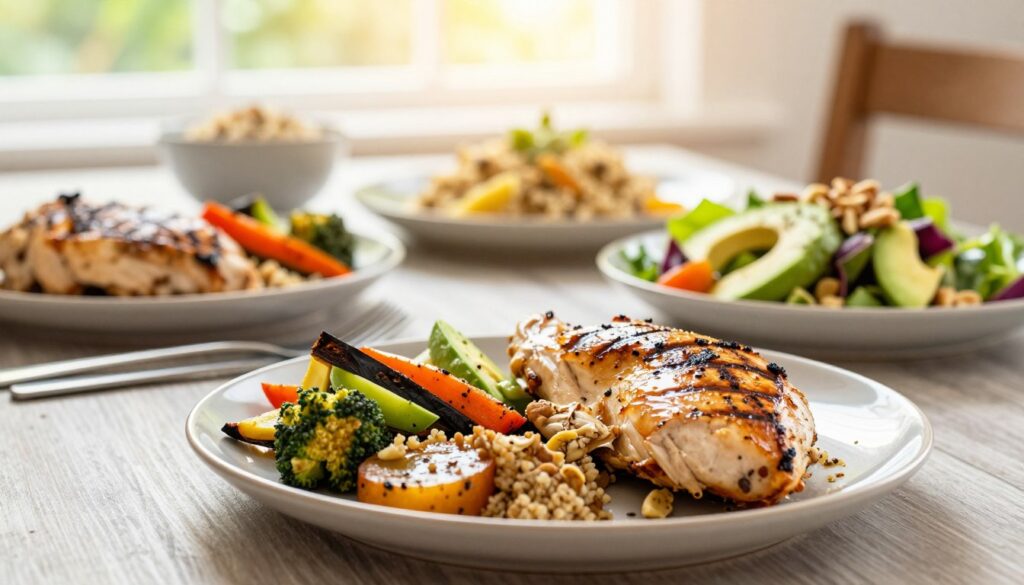
Finding joy in your meals is key to maintaining a healthy lifestyle and reaching your goals. Adopting a strategy centered around meals rich in protein is one of the most effective ways to support muscle recovery and boost energy levels.
By following our curated recipe list, you can enjoy delicious options that keep you satisfied while helping you stay on track. Remember, consistency is essential. Small adjustments to your daily routine can lead to significant long-term health benefits.
We encourage you to use these tools to simplify your cooking and make healthy eating a permanent part of your lifestyle. Thank you for joining us on this journey toward better nutrition and a more vibrant, energized version of yourself!