

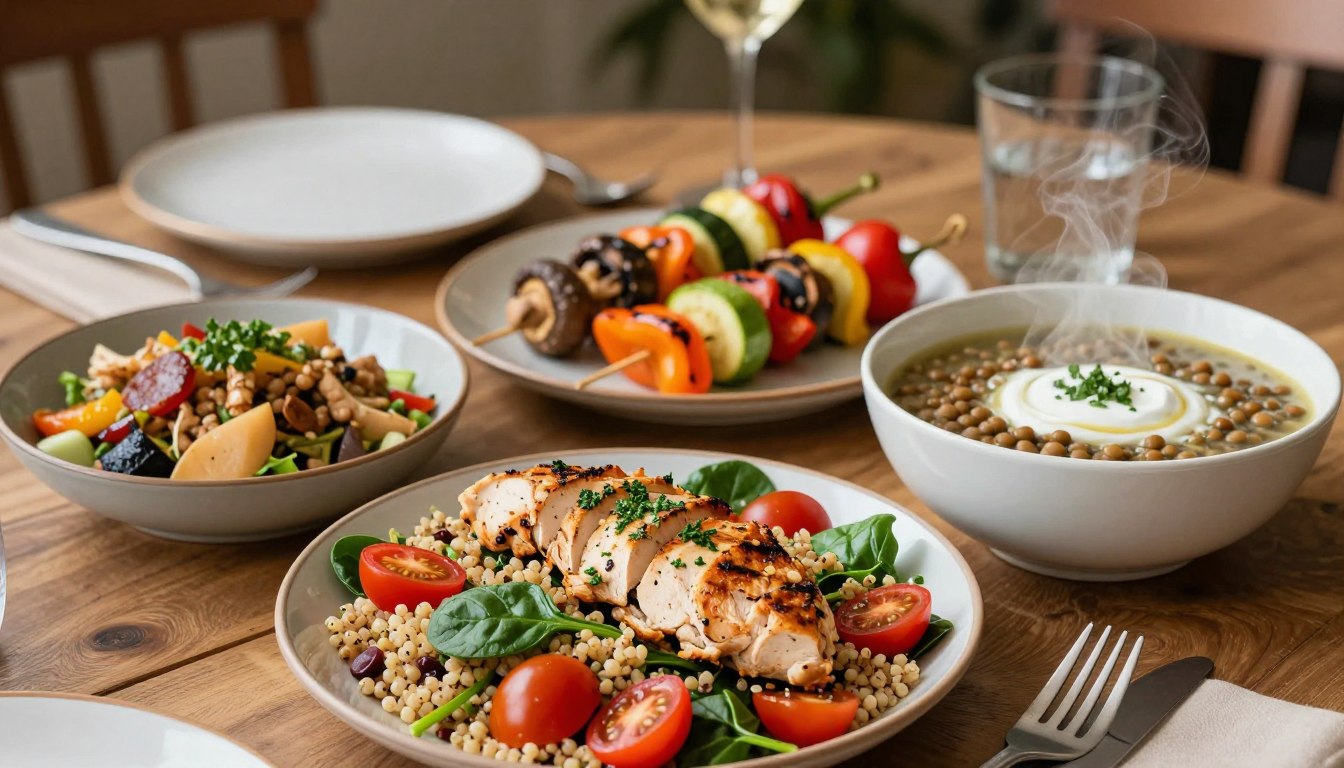
Did you know that the average American adult requires about 20-40 grams of protein per meal to maintain muscle health? This essential nutrient plays a crucial role in recovery and overall well-being. Yet, many people struggle to meet their protein needs while keeping their calorie intake in check.
In this article, you will discover how to enjoy delicious, satisfying dinners that fit within your calorie goals. By focusing on high-quality ingredients, you can create meals that are both nutritious and flavorful. It’s easier than you think to balance your plate while keeping your total calories low.
With a few simple adjustments to your favorite recipes, you can transform them into nutrient-dense options that support your active lifestyle. Let’s explore how prioritizing lean protein sources can help you maintain muscle mass and energy without exceeding your calorie limits.
Key Takeaways
- Enjoy tasty dinners that meet your protein needs without exceeding calorie limits.
- Focus on high-quality ingredients for effective weight management.
- Simple recipe adjustments can lead to nutrient-dense meals.
- Maintaining muscle mass is achievable with lean protein sources.
- Stay satisfied while keeping your calorie count low.
Understanding the 500-Calorie, High-Protein Plate Formula
For optimal muscle recovery, it’s essential to include 20-40 grams of protein per meal. This aligns with recommendations from the Journal of the International Society of Sports Nutrition (JISSN). Building a balanced plate starts with 4-6 ounces of lean protein, which helps you meet your daily protein needs.
Next, consider filling half your plate with non-starchy vegetables. This adds volume and fiber, allowing you to feel full without significantly increasing your calorie intake. Remember, measuring your cooking oil is crucial; just one tablespoon can add around 120 calories to your dish.
The Dietary Guidelines for Americans emphasize that portion control is key. By following this simple formula, you can create satisfying dinners that provide essential nutrients. Additionally, Harvard’s healthy plate approach highlights the importance of combining lean protein with fiber-rich vegetables to support long-term metabolic health.
Discover Under 500 Calorie Meals That Fuel Your Body
Eating well doesn’t have to mean sacrificing flavor. With the right choices, you can enjoy satisfying dinners that are both delicious and nutritious. Each of the 15 featured options in this collection delivers between 25 and 45 grams of protein. This ensures you meet your daily nutritional needs effortlessly.
Finding the right balance of food allows you to savor your dinner without worrying about exceeding your daily calorie limit. Each recipe is crafted to maximize flavor using fresh herbs and spices, steering clear of heavy, calorie-dense sauces.
Research shows that high-protein options are vital for muscle maintenance, especially if you have specific body composition goals. You’ll discover that these meals are not only healthy but also incredibly satisfying, helping to curb late-night snacking.
Our approach guarantees you receive the essential building blocks for muscle health without the calorie overload that often comes with typical takeout. Enjoy the benefits of wholesome, protein-rich food that keeps you energized and satisfied!
Meal Prep Made Simple for Protein-Packed Dinners
Meal prepping is a game-changer for anyone juggling a busy lifestyle. It allows you to maintain a healthy diet even when time is tight. By planning ahead, you can save precious minutes during your work week.
Here are some effective strategies to simplify your meal prep:
- Batch cook proteins: Grill or bake your proteins in bulk on Sundays. This way, you can quickly assemble a high-protein dinner throughout the week.
- Roast vegetables: Use two sheet pans to roast a variety of vegetables at once. This ensures you always have a healthy side dish ready.
- Cook grains: Prepare a large pot of grains like quinoa or brown rice. These versatile bases can complement many protein-packed options.
- Store properly: Ensure your prepped ingredients are stored correctly. This keeps your food fresh and delicious for up to four days.
With these tips, eating well becomes effortless, allowing you to focus on your health goals without spending hours in the kitchen.
Health Benefits of High Protein, Low Calorie Meals
High-protein foods play a vital role in supporting your overall health and fitness goals. They are essential for muscle maintenance and can help you feel full longer. This is particularly important if you aim to improve your metabolic health.
Here are some key benefits of incorporating high-protein options into your diet:
- Appetite regulation: Consuming protein-rich dinners helps manage your hunger, making it easier to stick to your calorie goals.
- Active recovery: Proper nutrition is crucial for active adults. These dinners provide the fuel needed for recovery after exercise.
- Even protein distribution: Research indicates that spacing your protein intake evenly can enhance metabolic control and support lean muscle mass.
- Balanced nutrition: These dinners are designed to deliver essential fiber and vitamins along with your daily protein needs.
- Long-term health investment: Choosing these meals means investing in your health, ensuring your body has the resources it needs.
- Synergistic effects: The combination of lean protein and fiber-rich vegetables helps stabilize blood sugar and maintain energy levels.
| Benefit | Description |
|---|---|
| Appetite Regulation | Helps manage hunger and supports calorie goals. |
| Active Recovery | Provides essential nutrients for post-exercise recovery. |
| Even Protein Distribution | Improves metabolic control and supports muscle mass. |
| Balanced Nutrition | Delivers fiber and vitamins along with protein. |
Chicken-Based Dinners: A Lean Protein Source
Chicken is an excellent choice for a protein-rich dinner. It’s versatile, delicious, and easy to prepare. You can enjoy a satisfying meal while keeping your calorie count low. By choosing chicken breast as your primary protein source, you can hit your targets effortlessly.
When cooking chicken, always ensure it reaches an internal temperature of 165°F for safety. This is a crucial step according to FDA guidelines. Air fryer chicken skewers are a fantastic option, providing 35-45 grams of protein in just minutes.
Another great dish is salt and pepper chicken. This lighter take on a classic uses minimal oil, allowing you to enjoy bold flavors without the extra calories. Non-stick cookware can help you achieve that rich taste without needing added fat.
These chicken-based dinners are perfect for busy weeknights. You can create a high-protein meal that feels like a restaurant-quality dish right at home.
| Dish | Protein (grams) | Preparation Time (minutes) |
|---|---|---|
| Air Fryer Chicken Skewers | 35-45 | 15 |
| Salt and Pepper Chicken | 30-40 | 20 |
| Grilled Chicken Breast | 30 | 25 |
Vegetarian Alternatives: Tofu, Halloumi, and More
Exploring vegetarian options can lead to delicious, protein-rich dinners that satisfy your cravings. Two standout dishes are crispy tofu with teriyaki noodles and one-pan halloumi with harissa vegetables. Both meals are packed with flavor while keeping your calorie count in check.
Crispy Tofu with Teriyaki Noodles
Crispy tofu is an excellent vegetarian protein source, delivering 24-32 grams of protein when served with whole-wheat noodles and broccoli. To maintain its delightful crunch, store your tofu separately from the noodles if you are meal prepping.
One-Pan Halloumi and Harissa Vegetables
Halloumi, while delicious, is calorie-dense. Limiting your portion to 2 oz is key to keeping your dinner light. Pair it with roasted peppers, zucchini, and tomatoes for a vibrant meal full of essential nutrients.
These vegetarian alternatives prove that you do not need meat to reach your protein goals while enjoying a satisfying and healthy dinner. Additionally, using chickpeas in your vegetable sheet pan adds extra fiber and protein, making your meal even more filling.
Global Flavors: Exploring Asian and Mexican Inspirations
Exploring global cuisines can bring exciting flavors to your dinner table. Asian and Mexican dishes offer vibrant tastes while keeping your protein intake high and calories low. Let’s dive into two delicious recipes that exemplify this fusion.
Sticky Sesame Chicken for an Asian Twist
Sticky sesame chicken is a perfect example of how you can enjoy Asian-inspired flavors while keeping your protein intake high. This dish provides 36-42 grams of protein when paired with ½ cup of quinoa or cauliflower rice. The combination of sesame oil and soy sauce creates a rich glaze that enhances the chicken’s natural flavor.
Sweet and Sour Chicken with Vibrant Veggies
Sweet and sour chicken is a lighter version of the takeout favorite. It uses 6 oz of chicken breast along with fresh bell peppers and onions. This classic flavor profile is enhanced by vinegar and a touch of honey for a delicious glaze. The fresh vegetables add volume and crunch without significantly increasing your calorie count.
These global recipes demonstrate that healthy eating does not have to be boring or repetitive when you use the right spices. By making your own sauces at home, you control the ingredients and ensure your dinner stays within your specific calorie and protein targets.
Pasta, Rice, and Noodle Options for Satisfying Meals
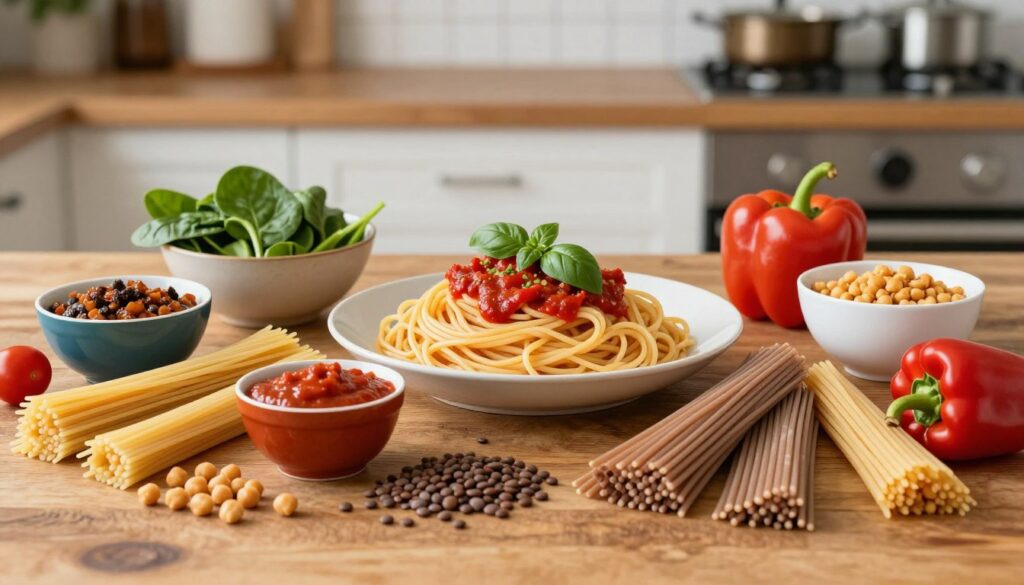
If you’re looking for hearty options that keep your protein high, pasta and noodles can be great choices. They provide comfort and flavor while still aligning with your health goals.
Creamy Peanut Chicken Noodles for a Unique Spin
Creamy peanut chicken noodles are a unique spin on comfort food that delivers 40-47 grams of protein per serving. However, you must measure your peanut butter carefully, as one tablespoon contains 95 calories. This attention to detail helps you stay within your calorie goals.
Philly Cheesesteak Pasta: Comfort Meets Health
Philly cheesesteak pasta is a healthier version of the classic sandwich. It uses 3 oz of lean beef and 2 oz of low-fat mozzarella cheese, providing 34-38 grams of protein. This dish satisfies your cravings while keeping the fat and calorie content manageable.
These pasta and noodle dishes are perfect for when you want a hearty meal that still aligns with your weight loss goals. Always keep your pasta and protein components separate when prepping ahead to ensure the best texture and flavor when you reheat.
Creative Sandwiches and Bowl Recipes for Quick Dinners
Creative sandwiches and bowls can transform your dinner experience while keeping it healthy. These options are perfect for busy nights when you want something quick yet satisfying.
Pulled BBQ Chicken Sandwich for a Tasty Twist
A pulled BBQ chicken sandwich is a tasty twist on a classic. Using 3 oz of lean chicken breast on a whole-grain roll, this sandwich provides 27-30 grams of protein while staying around 300-340 calories. To enhance your meal, add fresh lettuce, tomato, and pickles. These additions increase the volume and fiber content without adding extra calories.
BBQ Chicken Mashed Potato Bowl for Comfort Food Lovers
If you love comfort food, the BBQ chicken mashed potato bowl is perfect for you. This dish combines ½ cup of mashed potatoes with 4 oz of grilled chicken, offering 35-40 grams of protein in a single serving. For a creamy texture, use low-fat milk or Greek yogurt in your mashed potatoes instead of traditional butter. This way, you enjoy the flavor without the high calorie count.
These bowl recipes are designed to be assembled quickly, making them an ideal choice for a busy weeknight. Remember to store your BBQ sauce separately from the chicken to keep your sandwich or bowl fresh and avoid sogginess.
Controlling Calories: Sauces, Oils, and Hidden Additives
Understanding how sauces and oils contribute to your meal’s calorie count can help you stay on track. One tablespoon of oil can add a surprising 120 calories to your dinner, which is a common trap when preparing healthy dishes at home.
Here are some tips to keep your calorie count in check:
- Measure your oil: Instead of pouring freely, measure your oil to avoid excess calories.
- Beware of sauces: Many store-bought sauces are loaded with hidden sugars and additives that can increase calorie density without adding protein.
- Use bold flavors: Opt for low-calorie ingredients like vinegar, citrus, and fresh herbs to enhance taste without heavy fats.
- Thin creamy sauces: Stretch the flavor of creamy sauces by thinning them with broth or Greek yogurt, reducing calories while maintaining taste.
- Stay mindful: Being aware of hidden additives is essential for anyone trying to maintain a healthy weight while enjoying flavorful dinners.
Smart Ingredient Swaps for Lower Calorie Meals
Swapping ingredients can make your favorite dishes healthier without sacrificing taste. By making simple changes, you can enjoy delicious dinners while managing your calorie intake.
One effective strategy is to choose alternative dairy and cheese options. For instance, using part-skim mozzarella cheese allows you to keep your lasagna or pasta dishes within your calorie and protein targets.
Alternative Dairy and Cheese Choices
Here are some smart swaps to consider:
- Substitute heavy cream with Greek yogurt to increase protein content while lowering fat.
- Opt for low-fat cheese varieties to enjoy your favorite flavors with fewer calories.
Low-Calorie Cooking Techniques and Substitutions
In addition to ingredient swaps, employing low-calorie cooking techniques can significantly reduce calorie counts:
- Using non-stick cooking methods minimizes the need for excess oil, keeping your dinner light.
- Focusing on high-volume, low-calorie ingredients ensures your meals are filling and satisfying.
These substitutions are simple to implement and do not require you to sacrifice the flavor or satisfaction of your favorite dinner recipes. By prioritizing these smart ingredient swaps, you can enjoy the food you love while reaching your health goals.
Adding Fresh Vegetables for Balanced Nutrition
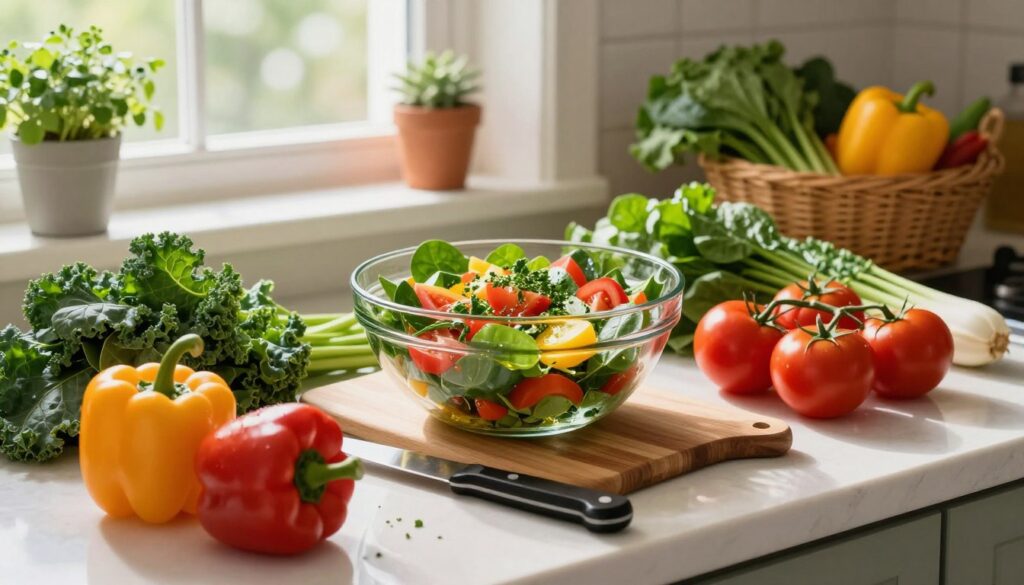
Adding a variety of vegetables to your plate is an easy way to boost both nutrition and satisfaction. Fresh vegetables not only enhance the flavor of your dinner but also provide essential fiber and volume, which supports your overall nutrition goals.
Here are some benefits of incorporating vegetables into your meals:
- Boosts nutrition: Fresh vegetables are packed with vitamins and minerals that your body needs.
- Variety of textures: You can roast, steam, or air-fry your vegetables to create different textures that complement your lean protein source.
- Low in calories: Vegetables are naturally low in calories but high in fiber, making them perfect for weight loss.
- Balanced macros: Filling half your plate with non-starchy vegetables helps balance your macros and improve the overall quality of your dinner.
- Recovery support: These nutrient-dense foods provide the vitamins and minerals essential for recovery, especially when training hard.
- Seasonal variety: Experimenting with different seasonal vegetables keeps your meals interesting and ensures a wide range of health-promoting phytonutrients.
Weekly Meal Prep Tips for Stress-Free Cooking
Efficient meal prep can save you time and help you stick to your healthy eating goals. By organizing your cooking schedule, you can enjoy nutritious dinners without the hassle. Here are some effective strategies to make meal prep a breeze.
Batch Cooking Strategies for Busy Weeks
Batch cooking is the most effective strategy for busy weeks, allowing you to have a healthy dinner ready in minutes every night. You should always cool your meals within 2 hours of cooking to maintain food safety and quality for your upcoming dinners.
- Store your components separately in the refrigerator to maintain the texture of your protein and vegetables for up to 4 days.
- Dedicate a small amount of time to prep on the weekend to gain hours of free time during your busy work week.
Storage and Reheating Essentials
Reheating your prepped meals to an internal temperature of 165°F is a critical step to ensure your food is safe and properly heated. These prep tips are designed to reduce the stress of cooking, making it easier for you to stick to your healthy habits.
| Tip | Description |
|---|---|
| Cool Meals | Cool your meals within 2 hours of cooking. |
| Storage | Store meals in the refrigerator for no more than 3-4 days. |
| Reheat | Ensure meals reach 165°F when reheating. |
Balancing Protein with Overall Macros for Optimal Health
To maintain muscle health, active adults should focus on consuming adequate protein throughout the day. Aiming for 1.6-2.2 grams of protein per kilogram of body weight is essential for supporting muscle maintenance and recovery.
It’s also important to space your high-protein dinners 3-5 hours apart. This timing maximizes your body’s ability to recover and helps maintain energy levels throughout the day.
Including measured portions of whole grains, like brown rice or quinoa, in your dinner provides the fiber needed for long-term satiety. Balancing your macros ensures your body has the fuel it needs for workouts while supporting your weight loss goals.
- For most active adults, aiming for 1.6-2.2 grams of protein per kilogram of body weight is the ideal target for optimal health.
- You should space your high-protein meals 3-5 hours apart to maximize your recovery and keep your energy levels stable all day.
- Including measured portions of whole grains like brown rice or quinoa in your dinner provides the fiber needed for long-term satiety.
- Balancing your macros ensures that your body has the fuel it needs for your workouts while still supporting your weight loss goals.
- These guidelines help you understand how to structure your dinner to fit perfectly into your overall daily nutritional plan and lifestyle.
- By focusing on these targets, you can achieve better metabolic control and ensure your body is getting exactly what it needs daily.
Insights from Trusted Recipe Creators and Reviews
When it comes to crafting nutritious dinners, adapting recipes is key. Melanie MacFarlane from Bedeque, Prince Edward Island, emphasizes this point. She shares a hearty soup recipe that delivers 14g of protein and only 266 calories. This version was thoughtfully adjusted to be milder for children while still being hearty enough for outdoor workers.
Here are some highlights from her approach:
- Melanie’s soup shows that simple food can be both nutritious and satisfying.
- This version caters to family preferences, ensuring everyone enjoys their meal.
- Another version of our high-protein dinner recipes focuses on using fresh herbs, enhancing flavor without extra calories.
- All recipes are tested to ensure they meet the 500-calorie limit while providing essential protein.
- Community reviews confirm that these small changes can lead to significant health improvements over time.
Conclusion
Achieving your health goals is entirely possible when you focus on high-protein, low-calorie dinners that are both delicious and satisfying. By following the simple plate formula, you can easily manage your daily intake while enjoying a wide variety of flavorful dinner options.
Remember that consistency is key. Using batch cooking strategies will help you stay on track even during your busiest weeks. Always prioritize lean protein and fresh vegetables to ensure your body gets the essential nutrition it needs for optimal performance and recovery.
We hope these recipes inspire you to get creative in the kitchen and make healthy eating a permanent part of your lifestyle. Start your journey today by trying one of these protein-packed dinners and experience the difference that balanced, healthy food can make.