

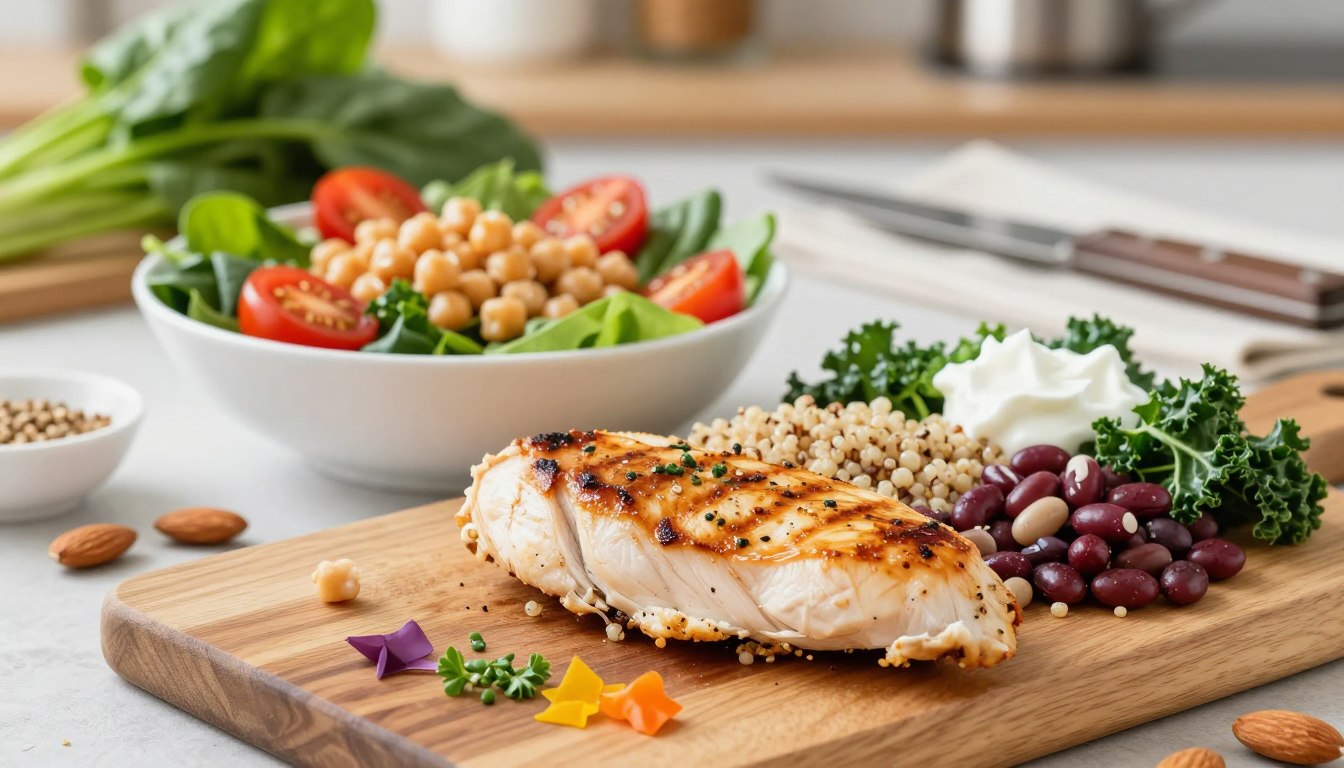
Have you ever wondered why some meals leave you feeling hungry shortly after eating? Understanding the role of protein in your diet can change the way you think about food and satisfaction. This article explores how certain choices can help you feel full longer, making it easier to reach your goals.
The Recommended Dietary Allowance for protein is 0.8 grams per kilogram of body weight. This means that incorporating the right options into your meals is crucial. By doing so, you can enjoy a more satisfying eating experience.
In this guide, we will discuss how increasing your intake can support your journey toward better health. You’ll discover practical strategies to make simple changes in your daily diet. These adjustments can help you maintain your well-being while focusing on your personal targets.
Key Takeaways
- Understanding protein’s role can enhance your meal satisfaction.
- The RDA for protein is essential for your daily nutrition.
- Simple dietary changes can lead to significant health benefits.
- Increased protein intake can help you manage your goals effectively.
- Staying informed can empower your journey toward wellness.
The Importance of Protein for Weight Loss
Ever notice how some meals can leave you feeling unsatisfied shortly after? Understanding the role of protein can help you make better food choices. It’s not just about feeling full; it’s about what your body needs to thrive.
According to the National Heart, Lung, and Blood Institute, protein is essential for the growth and repair of cells and tissues, including muscle. Maintaining muscle mass is crucial for your health, especially as you age. Your body needs that support to stay active and healthy.
Moreover, proteins serve as the building blocks for your bones, cartilage, and skin. They ensure that your body functions correctly during your journey. Prioritizing quality sources of protein will provide your body with the essential nutrients needed for optimal health and daily performance.
Research shows that protein also plays a critical role in processes like blood clotting and immune response, which are vital for your overall well-being.
How Protein Helps You Feel Full Longer
Do you often find yourself hungry shortly after finishing a meal? Understanding how certain nutrients impact your appetite can help you make better choices. Specifically, protein plays a significant role in how satisfied you feel after eating.
When you consume more protein, your body releases hormones like GLP-1 and peptide YY. These hormones signal your brain to curb your appetite, making it easier to manage your daily calorie intake. Additionally, protein helps reduce levels of ghrelin, the hunger hormone, allowing you to feel fuller for longer periods.
Another fascinating aspect is the thermic effect of protein. This means your body burns more energy digesting protein compared to carbs or fat. In fact, a thermic effect of 20 to 30% indicates that if you consume 100 calories of protein, only 70 calories are available for use. This process aids in weight management and promotes overall health.
| Hormone | Function | Effect on Appetite |
|---|---|---|
| GLP-1 | Increases satiety | Reduces hunger |
| Peptide YY | Inhibits appetite | Promotes fullness |
| Ghrelin | Stimulates hunger | Decreases with protein intake |
Scientific Evidence Behind High Protein Diets
Do you realize that the way you eat can significantly affect your hunger levels? Research has shown that certain dietary choices can help you manage your appetite and metabolism more effectively.
A notable study from 2005 revealed that individuals consuming 30% of their calories from protein reduced their daily intake by 441 calories. This demonstrates how adjusting your diet can lead to automatic changes in calorie consumption.
Here are some key findings:
- High protein diets consistently boost metabolism, allowing you to burn more calories even at rest.
- Increasing your protein intake can support your goals by enhancing appetite regulation.
- Research indicates that a protein-rich diet can lead to significant weight changes without strict calorie counting.
- These findings can help you create a sustainable eating plan that promotes long-term success.
Decoding the Macronutrient Benefits of Protein
Did you know that your body relies on specific nutrients to perform at its best? One of the most important groups of nutrients is amino acids. These building blocks of protein are essential for various bodily functions.
Your body requires nine essential amino acids that it cannot produce on its own. You must obtain these through your daily food intake. This is where the quality of your protein sources becomes vital.
Complete protein sources, such as eggs and soy, contain all the essential amino acids necessary for your body to function optimally. If you choose plant-based proteins, it’s important to consume a variety of sources. This ensures you get all the essential amino acids your body needs.
Understanding the difference between complete and incomplete proteins helps you make better choices for your health. By focusing on high-quality protein, you provide your body with the building blocks required for muscle repair and overall metabolic health.
| Type of Protein | Source | Essential Amino Acids |
|---|---|---|
| Complete | Eggs | All nine |
| Complete | Soy | All nine |
| Incomplete | Beans | Some |
| Incomplete | Nuts | Some |
High Protein Foods for Weight Loss: Benefits and Tips
Have you ever thought about how certain meals can keep you feeling satisfied longer? Incorporating high protein options into your daily routine offers numerous benefits. These include improved satiety and better management of your daily weight goals.
You can maximize your diet by choosing nutrient-dense selections that keep you energized throughout your busy day. Experts recommend adding protein to every meal as one of the most effective tips for achieving sustainable health.
By planning your meals around these choices, you can enjoy the advantages of increased protein intake while still savoring delicious, satisfying dishes. Here are some simple tips to help you stay on track with your weight plan:
- Focus on variety: Include different sources to meet your needs.
- Plan ahead: Prepare meals that feature protein-rich ingredients.
- Snack wisely: Choose snacks that complement your protein goals.
| Benefit | Description | Impact on Weight Goals |
|---|---|---|
| Increased Satiety | Helps you feel full longer | Reduces overall calorie intake |
| Energy Levels | Provides sustained energy | Improves daily activity |
| Muscle Maintenance | Supports muscle health | Enhances metabolism |
Exploring Protein Sources: Meat, Dairy, Seafood, and More
Choosing the right sources of protein can significantly enhance your diet. Whether it’s chicken, fish, or dairy, there are numerous options to meet your nutritional needs. These choices not only provide essential nutrients but also support your overall health.
Lean Animal Proteins and Their Advantages
When it comes to meat, selecting lean cuts is essential. Skinless chicken is a fantastic option, offering quality protein without excess saturated fat. A 3 oz fish fillet provides 17-20 grams of protein and essential omega-3 fatty acids, which are great for heart health.
Low-Fat Dairy and Alternatives
Low-fat dairy products are also excellent protein sources. For instance, half a cup of low-fat cottage cheese contains 12.4 grams of protein. You can also enjoy 4 oz of low-fat yogurt, which provides 6 grams of protein, or 4 oz of low-fat milk, offering 4 grams. Including these options in your diet ensures you receive both calcium and protein, vital for maintaining bone and muscle health.
Plant-Based Protein Foods for Weight Loss
What if you could enjoy delicious meals while also feeling fuller for longer? Incorporating plant-based options into your diet can significantly enhance your satisfaction and support your health goals.
Beans and lentils are fantastic choices. For instance, a half-cup of cooked lentils provides 9 grams of protein along with plenty of fiber. This combination helps keep you full and satisfied.
Kidney beans are another excellent option, offering 7.7 grams of protein per half-cup. They make a hearty addition to salads or soups, adding both nutrition and flavor.
Tofu is versatile and can easily be included in various dishes. Just 3 oz of firm tofu gives you 9 grams of protein, making it a great way to enhance your meals.
Quinoa is a complete protein source that provides 8 grams of protein and 5 grams of fiber per cup. This not only supports your digestive health but also helps you feel satisfied.
By adding these beans and legumes to your meals, you can easily increase your protein intake while enjoying a variety of plant-based options.
| Food | Serving Size | Protein Content |
|---|---|---|
| Lentils | 1/2 cup cooked | 9 grams |
| Kidney Beans | 1/2 cup cooked | 7.7 grams |
| Firm Tofu | 3 oz | 9 grams |
| Quinoa | 1 cup cooked | 8 grams |
The Best High Protein Foods for Weight Loss
Could your meal selections be the secret to lasting satisfaction after eating? Choosing the right ingredients can make a significant difference in how full you feel. Here are some excellent options to consider:
Highlighting a Variety of Choices
- Eggs: A complete protein source, one large egg provides 6 grams of protein, aiding your goals.
- Salmon: Rich in omega-3 fatty acids, it supports heart health while offering high-quality protein.
- Greek Yogurt: A popular choice, it is high in protein and packed with essential nutrients like calcium.
- Lean Beef: Opt for ground beef to include protein without excess saturated fat.
- Almonds: These nuts provide 6 grams of protein per ounce, making them a satisfying snack.
- Natural Peanut Butter: Two tablespoons offer 7 grams of protein, perfect for a quick energy boost.
Balancing Taste and Nutrition
By incorporating these options into your meals, you can enjoy delicious flavors while meeting your nutritional needs. Balancing taste with nutrition is key to maintaining a satisfying diet.
Understanding Saturated Fat and Protein Quality
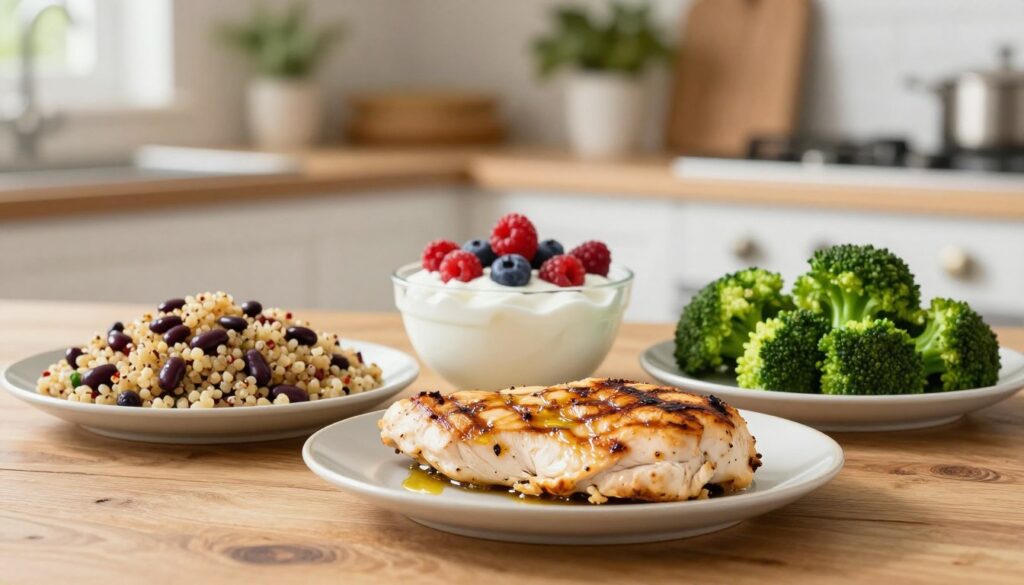
Are you aware that not all meat options are created equal when it comes to health? The type of meat you choose can significantly affect your saturated fat intake. The United States Department of Agriculture warns that processed meats and fatty cuts of beef can be high in unhealthy saturated fat.
To ensure you get quality protein without the risks associated with saturated fat, you should choose lean meat options. For instance, lean ground beef is a great choice. Reducing your intake of saturated fat is crucial for heart health and can help you manage your weight more effectively over time.
When buying meat, look for labels that specify lean cuts. This way, you can avoid consuming excessive amounts of saturated fat in your diet. By prioritizing lean protein sources, you can improve your overall nutrition and steer clear of the negative health impacts linked to high saturated fat intake.
| Type of Meat | Saturated Fat Content | Protein Quality |
|---|---|---|
| Processed Meats | High | Varies |
| Fatty Cuts of Beef | High | Good |
| Lean Ground Beef | Low | Excellent |
| Skinless Chicken | Low | Excellent |
Integrating High Protein Foods Into Your Daily Diet
Are you looking for ways to incorporate more nutritious options into your meals? Planning your meals effectively can ensure you enjoy satisfying dishes throughout the week. With a little organization, you can easily add protein-rich ingredients to your diet.
Start by preparing your meals in advance. This strategy guarantees that you have nutrient-dense options ready to go. Using a nutrition tracker can also help you monitor your intake, ensuring you meet your daily goals.
Smart snacking is another great way to maintain energy levels. Consider options like nuts or yogurt, which provide a boost while keeping hunger at bay. Additionally, cooking at home allows you to control ingredients, making it easier to stick to your health plan.
Spreading your protein intake across four or five smaller meals can also help manage your appetite. This approach keeps your metabolism active and supports your overall well-being.
- Planning meals in advance ensures high protein options are ready every day.
- Using a nutrition tracker helps monitor protein intake effectively.
- Smart snacks like nuts or yogurt maintain energy and curb hunger.
- Preparing meals at home allows for ingredient control and balanced nutrition.
- Distributing protein intake across smaller meals supports appetite management.
How to Balance Protein with Other Essential Nutrients
Could your health and wellness be improved by focusing on a variety of nutrients in your diet? A balanced approach is essential. It should include not just protein, but also healthy fats, carbohydrates, and fiber. This combination supports your overall body health and nutrition.
Incorporating fruits, vegetables, and whole grains into your meals is crucial. These foods ensure you get all the vitamins and minerals necessary for optimal health. A great example of this is the Mediterranean style of eating. It emphasizes healthy protein sources alongside nutrient-rich plants for long-term health benefits.
Be cautious, as consuming excessive protein without enough fiber or carbohydrates can lead to an imbalance. Focus on a well-rounded approach to your daily nutrition. Your body functions best when provided with a variety of nutrients. Therefore, do not rely solely on one type of food for your protein needs.
| Nutrient Type | Examples | Benefits |
|---|---|---|
| Protein | Lean meats, legumes | Supports muscle health |
| Healthy Fats | Nuts, olive oil | Promotes heart health |
| Carbohydrates | Whole grains, fruits | Provides energy |
| Fiber | Vegetables, beans | Aids digestion |
Practical Gym and Home Tips for Protein-Rich Weight Loss
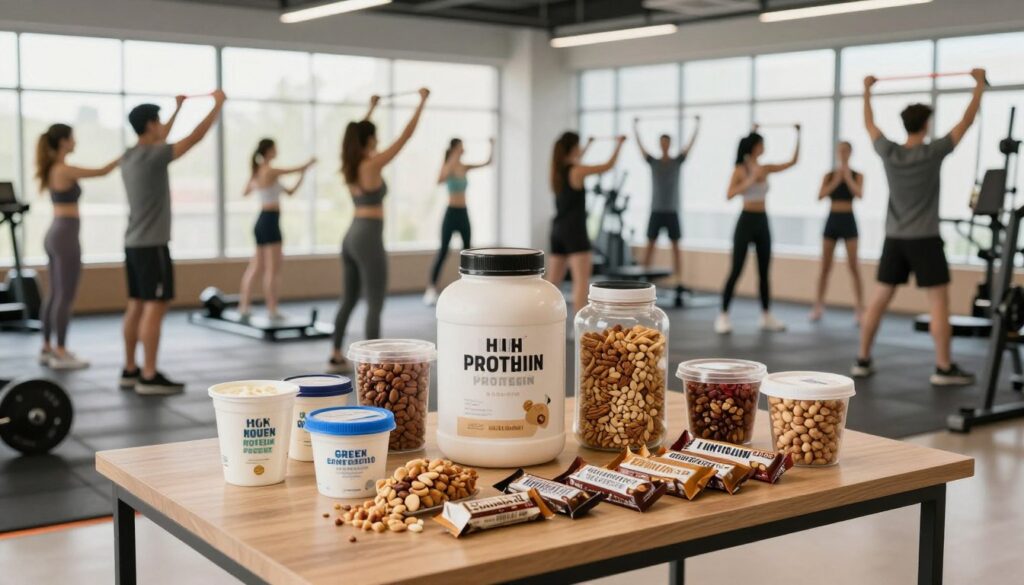
Are you looking to maximize your results while working out? Combining a solid intake of nutrients with effective strength training can significantly enhance your fitness journey. This approach not only helps in managing your body but also supports muscle retention.
When you engage in strength training, your muscle cells undergo stress and break down. This is where protein comes into play, aiding in repairing and strengthening your body. If you are over 50, consider increasing your intake to one gram per kilogram of body weight to help maintain muscle mass.
Strength Training and Protein Synergy
Here are some essential tips to consider:
- Combine protein intake with strength training: This strategy is effective in preventing muscle loss during your journey.
- Keep your metabolic rate high: Strength training plays a crucial role in burning calories efficiently.
- Perform simple exercises: You can easily do these at home or in the gym to support your muscle health.
Tips for Reading Food Labels for Protein Content
Understanding food labels is essential for making informed choices about your meals. By checking these labels, you can easily find the amount of protein in your favorite products. This helps ensure they align with your daily goals.
Start by looking for the serving size on the label. This detail allows you to accurately calculate the protein content in each serving. Many labels also list the total protein content, making it easier to compare different items and choose the best options for your diet.
Pay attention to the ingredients list as well. This can help you identify high-quality sources of protein while avoiding products with unnecessary additives or high sodium levels. By mastering how to read labels, you empower yourself to make healthier food choices.
Incorporating this knowledge into your shopping routine can lead to better nutrition. It allows you to select foods that truly benefit your body.
| Label Component | Importance | Action |
|---|---|---|
| Serving Size | Helps calculate protein intake | Check before consuming |
| Total Protein Content | Compare different foods | Choose wisely |
| Ingredients List | Identify quality sources | Avoid additives |
Simple and Delicious High Protein Recipes
Are you eager to discover meals that keep you satisfied and energized throughout the day? Including protein-rich recipes in your diet can make a significant difference in how you feel. Here are some quick and easy ideas to help you enjoy delicious meals without spending hours in the kitchen.
Quick Breakfast Ideas
Start your day right with a bowl of Greek yogurt topped with nuts. This simple breakfast is not only quick to prepare but also provides a substantial amount of protein to keep you full until lunch.
Hearty Lunches and Dinners
For a hearty dinner, try a 3 oz skinless chicken breast, which offers 26 grams of protein to support your muscle recovery and overall health. Alternatively, consider preparing a delicious salmon fillet. It’s a fantastic source of protein and omega-3s, which are beneficial for your heart health.
These straightforward recipes make it easy to incorporate more protein into your day while enjoying tasty food. By using versatile ingredients like chicken and Greek yogurt, you can create a variety of meals that satisfy your hunger and your taste buds.
| Meal Type | Ingredients | Protein Content |
|---|---|---|
| Breakfast | Greek Yogurt with Nuts | Varies |
| Dinner | Skinless Chicken Breast (3 oz) | 26 grams |
| Dinner | Salmon Fillet | Varies |
Best Practices for high protein foods for weight loss
Are you curious about how to effectively enhance your diet for better results? Gradually increasing your protein intake over a week is a smart way to allow your body to adjust to the new eating plan. Many people find this method beneficial as it helps in managing their hunger levels.
Using a nutrition tracker can also be helpful. This tool allows you to stay consistent with your protein goals during the early stages of your journey. Aim for an amount that represents about 30% of your total daily calories. This approach maximizes the benefits for your weight management.
Before making significant changes to your diet, it’s important to consult with your doctor, especially if you have any pre-existing health conditions. Remember, consistency is key. Focus on building long-term habits rather than seeking quick fixes.
| Best Practice | Description | Benefits |
|---|---|---|
| Gradual Increase | Slowly boost protein intake | Helps body adjust |
| Nutrition Tracker | Monitor protein goals | Maintains consistency |
| Consult a Doctor | Seek professional advice | Ensures safety |
| Focus on Consistency | Build long-term habits | Supports sustainable results |
Conclusion
Protein is truly the king of nutrients, helping you manage your weight by boosting your metabolism and keeping you full throughout the day. By adding more protein to your diet, you can naturally reduce your calorie intake and improve your overall health without feeling deprived.
Whether you choose animal or plant-based sources, the right amount of protein will support your muscle maintenance and long-term weight management success. Many people have found that this simple way of eating makes it much easier to manage their weight and feel their best every day.
Always remember to balance your protein intake with other essential nutrients to ensure your body gets everything it needs for optimal health.