

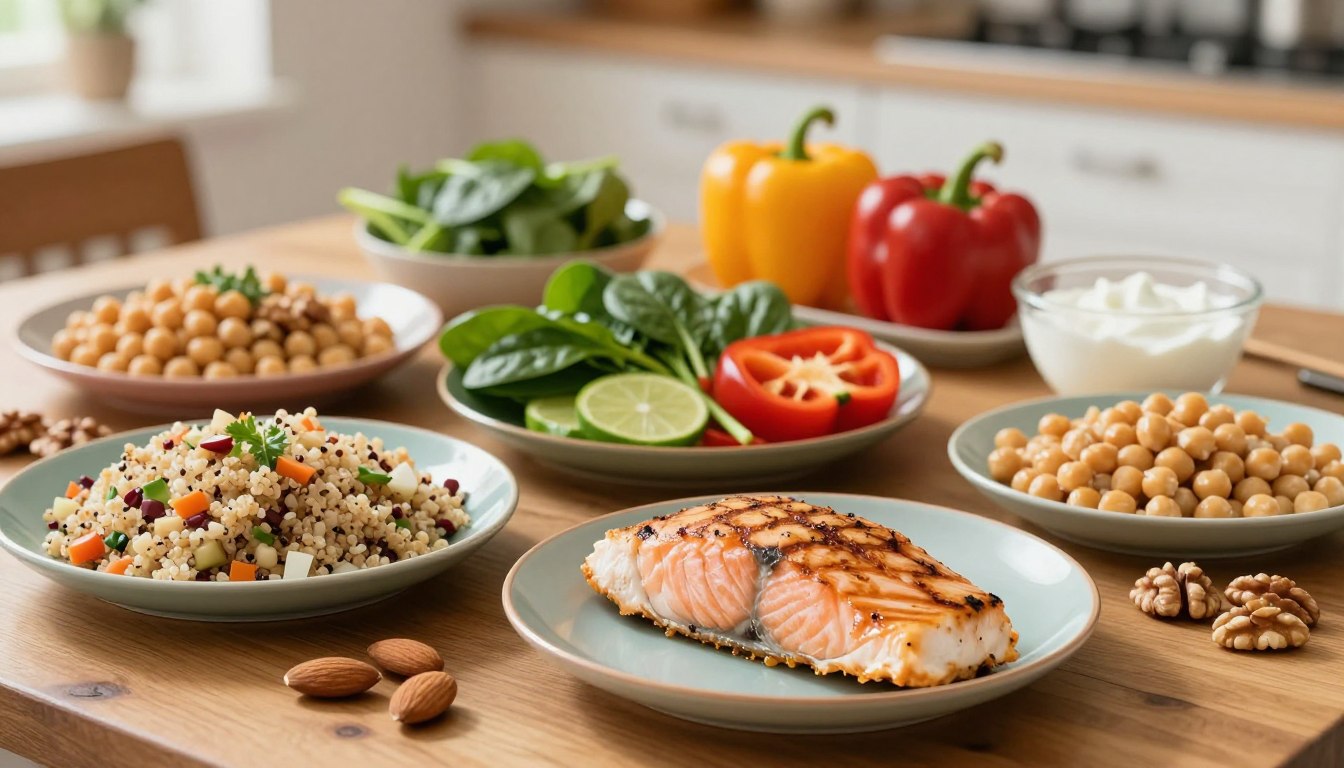
Did you know that over 40% of adults in the United States are classified as obese? This alarming statistic highlights the urgent need for effective dietary strategies. Incorporating a variety of nutrient-dense options into your meals can significantly impact your health journey.
In this article, we will explore 35 foods that can aid in achieving your health goals. By including these items in your daily routine, you can improve your body composition while feeling satisfied. Research indicates that a consistent approach to nutrition is essential for managing your weight loss journey effectively.
We will delve into how increasing your intake of certain nutrients can lead to noticeable fat loss while preserving muscle mass. By making informed choices, you can support your overall well-being and ensure that your efforts are both safe and effective.
Key Takeaways
- Incorporating diverse nutrient-rich options can enhance your health journey.
- A consistent approach to nutrition is vital for effective management.
- Increasing nutrient intake can lead to fat loss while preserving muscle.
- Making informed food choices supports overall well-being.
- Focus on safe and effective strategies for health improvement.
Introduction to High Protein Foods for Weight Loss
With rising obesity rates in the United States, it’s essential to adopt effective dietary strategies. A balanced diet that includes quality protein sources can play a significant role in managing your health. The CDC emphasizes that a combination of physical activity and a nutrient-rich diet is vital for maintaining a healthy weight.
Incorporating more protein into your meals may be the simplest way to curb hunger and support your health goals. Many individuals find it challenging to manage their weight, but focusing on specific nutrient-rich options can help you stay satisfied without feeling deprived.
This guide will explore how you can utilize protein to enhance your eating habits and improve long-term health outcomes. You’ll discover how these dietary adjustments can lead to greater satisfaction as you work toward your personal targets.
| Key Factors | Details |
|---|---|
| Healthy Weight | Requires physical activity and a balanced diet |
| Protein Intake | Helps manage hunger effectively |
| Diet Focus | Specific nutrient-rich options support weight management |
| Long-term Health | Adjustments lead to improved health outcomes |
Understanding the Benefits of Protein for Weight Loss
The prevalence of obesity in the U.S. calls for urgent dietary changes to improve health outcomes. One effective strategy is prioritizing protein in your meals. Research from Harvard Health Publications shows that this nutrient offers unique advantages in managing your appetite and boosting metabolism.
When you focus on protein, you not only support your overall health but also create a sustainable environment for fat loss. This approach extends beyond temporary dieting phases. By understanding how protein works in your body, you can make informed choices that enhance your daily meals and snacks.
Protein serves as a powerful tool in reaching your weight loss goals while preserving lean muscle mass. The primary benefits include improved satiety and a higher thermic effect compared to other macronutrients. Embracing a high-protein approach can significantly contribute to your success.
How Protein Lowers Hunger and Boosts Satiety
As obesity continues to rise, understanding how to manage hunger effectively becomes essential. Increasing your intake of protein can play a significant role in this process. Research shows that when you consume a higher percentage of your calories from protein, your body naturally reduces the total calories you eat.
A 2005 study demonstrated that when you consume 30% of your calories from protein, you can automatically reduce your daily intake by 441 calories. This is a significant decrease that can help in achieving your health goals.
Additionally, research involving 19 individuals with overweight showed that simply adding more protein led to an average loss of 11 pounds over 12 weeks. This indicates that protein not only helps you feel fuller but also promotes weight management.
Protein influences your hunger hormones, specifically reducing ghrelin while boosting GLP-1, peptide YY, and cholecystokinin. These hormones signal your brain that you are satisfied, making it easier to manage your body weight without the struggle of traditional dieting.
| Study | Findings |
|---|---|
| 2005 Study | 30% of calories from protein reduced intake by 441 calories |
| 19 People Study | Average loss of 11 pounds over 12 weeks |
| Hormonal Impact | Reduces ghrelin, boosts satiety hormones |
Boosting Your Metabolism with Protein
If you’re looking to enhance your metabolism, incorporating more nutrient-rich options into your diet can be a game changer. Studies have shown that increasing your intake of certain nutrients can lead to significant metabolic benefits.
A 2015 study revealed that overfeeding with a high protein diet can increase the number of calories you burn by 260 calories per day. This remarkable effect occurs because protein has a high thermic effect of 20 to 30%, meaning your body expends more energy just digesting and metabolizing it.
To maximize these benefits, ensure that a large portion of your daily calories comes from quality protein sources. This metabolic advantage is a key reason why diets rich in protein are effective for long-term fat management.
By increasing your protein intake, you encourage your body to work harder, which helps you burn more calories even while you are sleeping.
Preventing Muscle Loss While Losing Weight
Maintaining muscle mass is crucial during your journey to a healthier body. When you focus on shedding pounds, it’s essential to consume enough protein to prevent the loss of valuable muscle tissue. This is where strength training plays a significant role.
Strength training works alongside your protein intake to ensure that the weight you lose is primarily body fat. By engaging in regular resistance exercises, you can help preserve your muscle while achieving your goals.
Additionally, combining heavy strength training with a consistent protein-rich diet allows you to maintain a higher metabolic rate. This is vital, as muscle tissue helps you burn more calories throughout the day.
Experts agree that strength training is one of the most effective ways to protect your physique while you work toward your health goals. Prioritizing these practices can lead to lasting benefits for your overall well-being.
| Key Factors | Details |
|---|---|
| Protein Intake | Essential for muscle preservation |
| Strength Training | Reduces muscle loss during weight management |
| Metabolic Rate | Higher with increased muscle mass |
| Long-term Health | Muscle helps burn calories effectively |
Optimal Protein Intake Guidelines for Weight Loss
Finding the right amount of protein can make a big difference in your dietary success. The Dietary Reference Intake (DRI) suggests 46 grams for women and 56 grams for men. However, this amount is often insufficient for effective weight management.
To truly benefit, aim for 30% of your total calories from protein. For a 2,000-calorie diet, this translates to 150 grams per day. Another effective strategy is to consume between 0.7 to 1 gram of protein per pound of your total body weight.
It’s essential to spread your protein intake throughout the day. This ensures your body receives a steady supply of amino acids. By tracking your intake, you can better meet your specific weight management objectives.
| Guideline | Details |
|---|---|
| DRI for Women | 46 grams |
| DRI for Men | 56 grams |
| Optimal Intake | 30% of total calories |
| Protein per Body Weight | 0.7 to 1 gram per pound |
High Protein Foods for Weight Loss: Meat Options
In today’s health-conscious world, choosing the right sources of meat can significantly impact your dietary choices. Lean meats, such as chicken breast, provide high-quality nutrients without excessive calories. This makes them ideal for anyone focused on achieving their health goals.
A 3 oz serving of skinless chicken breast contains an impressive 26 grams of protein. This makes it a staple in many meal plans aimed at promoting muscle maintenance and overall health.
Additionally, lean beef and turkey are fantastic options that deliver essential nutrients. These meats help you feel full and satisfied after meals, making it easier to manage your appetite.
Prioritizing lean cuts ensures you get the most protein per serving while keeping your overall diet healthy. Incorporating these meat sources into your weekly meal plan can support your journey toward better health.
Delicious Fish and Seafood Selections
Incorporating fish into your meals can be a delightful way to boost your health. Seafood is not only tasty but also offers numerous benefits. These nutrient-rich options can help you stay on track with your health goals.
Salmon is a premier choice for your diet because it provides high-quality protein along with beneficial omega-3 fatty acids that support heart health. You can also enjoy a variety of seafood, such as haddock or sardines, which are excellent sources of protein for your journey.
Including fish in your meals ensures you get essential omega-3 fatty acids that promote overall well-being while keeping your calorie intake in check. A 3 oz fish fillet typically offers 17-20 grams of protein, making it a very efficient food for meeting your daily nutritional requirements.
By rotating different types of seafood, you keep your diet interesting and packed with the nutrients your body needs to thrive.

Dairy-Based Protein Picks for a Healthy Diet
Choosing the right dairy options can greatly enhance your nutritional intake. Dairy products like Greek yogurt and cottage cheese are excellent sources of protein. They not only provide essential nutrients but also fit perfectly into your daily meal plan.
A 1/2 cup serving of low-fat cottage cheese delivers 12.4 grams of protein, making it a quick and satisfying snack. You can also enjoy low-fat milk, which contains 4 grams of protein per 4 oz serving. These options help you stay on track with your health goals.
Here are some benefits of including these dairy items in your diet:
- Greek yogurt and cottage cheese are versatile dairy options that provide a significant amount of protein per serving.
- Low-fat milk and cheese can boost your protein intake while fitting your daily calorie goals.
- These dairy foods offer calcium and other essential nutrients alongside quality protein.
- Adding Greek yogurt to your breakfast or snacks is a simple way to increase your protein intake and keep hunger levels low.
| Dairy Item | Protein Content |
|---|---|
| Low-Fat Cottage Cheese | 12.4 grams (1/2 cup) |
| Low-Fat Milk | 4 grams (4 oz) |
| Greek Yogurt | Varies by brand (typically around 10 grams per 6 oz) |
| Low-Fat Cheese | Varies by type (typically around 6-8 grams per oz) |
Plant-Based Protein Powerhouses
Exploring plant-based sources of nutrition can significantly enhance your meals and support your health journey. Options like beans, lentils, and tofu are fantastic additions, especially if you want to increase your fiber intake.
A 3 oz serving of firm tofu provides 9 grams of protein, making it a great meat alternative for your meals. You can also enjoy 1/2 cup of cooked lentils, which offers 9 grams of protein and plenty of fiber to keep you feeling full.
Another excellent choice is kidney beans, with 1/2 cup providing 7.7 grams of protein to support muscle maintenance and satiety. These plant-based sources are essential for a balanced diet and provide a variety of nutrients that support your long-term health goals.
- Beans, lentils, and tofu are versatile and nutritious.
- They can easily be added to various dishes, enhancing flavor and texture.
- These sources help in maintaining a healthy diet while keeping you satisfied.
Exploring Protein Supplements and Powders
Navigating the world of nutrition can be challenging, especially when it comes to meeting your daily protein needs. If you struggle to reach your protein targets, using a high-quality protein powder can be a convenient way to bridge the gap.
These supplements are designed to provide a concentrated source of amino acids. They help you maintain muscle mass during your journey toward better health. You can easily add protein powder to smoothies or oatmeal, ensuring you get enough protein to support your metabolic health.
While whole food sources are ideal, supplements offer a practical solution for busy individuals who need to hit their protein targets consistently. Always choose a reputable brand of protein powder to ensure you are getting a clean product that supports your health goals.
Smart Strategies for Meal Planning with Protein
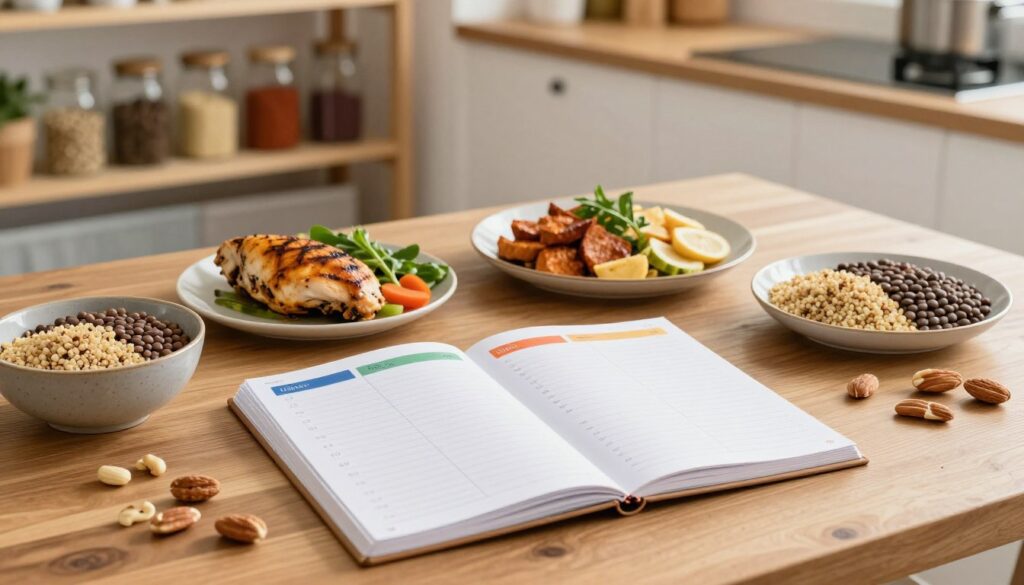
Planning meals effectively can significantly impact your dietary success. By focusing on nutrient-rich options, you can ensure that you meet your health goals while enjoying delicious meals. A well-structured meal plan helps you stay on track and manage your hunger effectively.
Here are some smart strategies to incorporate:
- Center your meals around quality sources of protein. This helps you stay within your calorie limits while effectively managing your appetite.
- Aim to include a specific number of grams of protein in each meal. This keeps your hunger hormones balanced and supports your overall diet.
- Utilize a nutrition tracker to visualize your daily intake. This tool allows you to make adjustments as you progress toward your goals.
- Prepare your protein-rich meals in advance. This reduces the temptation to choose unhealthy, processed options when hunger strikes.
- Consistency is key. Distributing your protein intake evenly throughout the day maximizes the metabolic benefits of your diet.
| Strategy | Benefits |
|---|---|
| Meal Centering | Helps manage calorie intake |
| Protein Goals | Balances hunger hormones |
| Nutrition Tracker | Visualizes daily intake |
| Meal Prep | Reduces unhealthy choices |
| Consistent Intake | Maximizes metabolic benefits |
Incorporating High Protein Foods into Everyday Meals
Transforming your daily menu can be easier than you think, especially with a few simple ingredients. By incorporating nutritious options into each meal, you can enhance your health and support your goals.
Breakfast, Lunch, and Dinner Ideas
Start your day with eggs, which provide 6 grams of protein per large egg. This keeps your energy levels stable until lunch. For lunch, consider a salad topped with grilled chicken breast to get a substantial amount of protein without adding too many calories.
Dinner can feature a lean protein source like fish or chicken, paired with vegetables to create a balanced and satisfying meal. You can easily incorporate high protein food into every meal by keeping staples like eggs and pre-cooked chicken breast in your fridge.
By making these small changes to your daily menu, you will find it much easier to stick to your weight loss plan long-term.
Balancing Nutrients: Protein, Carbs, and Healthy Fats
Creating a balanced diet is essential for your overall health. This means including not just protein, but also complex carbohydrates and healthy fats. Each of these components plays a vital role in providing the nutrients your body needs.
Incorporating healthy fats, such as avocados, olive oil, and nuts, can support your heart health while you focus on your goals. These fats contain essential fatty acids that your body requires to function properly.
It’s crucial to manage your fat intake, particularly saturated fat. Opt for lean protein sources and healthy plant-based oils to keep your diet in check. Balancing your macronutrients helps maintain steady energy levels and prevents fatigue, a common side effect of restrictive diets.
By focusing on nutrient-rich foods, you create a sustainable diet that supports your goals while keeping you feeling your best.
| Nutrient Type | Examples | Benefits |
|---|---|---|
| Protein | Chicken, beans, tofu | Supports muscle maintenance |
| Complex Carbohydrates | Whole grains, fruits, vegetables | Provides energy and fiber |
| Healthy Fats | Nuts, olive oil, avocados | Supports heart health |
Managing Potential Risks and Considerations of High Protein Diets
As you consider increasing your intake of protein, it’s important to be aware of potential risks. While these diets can support your health goals, they may also lead to some side effects if not managed properly.
For instance, insufficient fiber intake can result in digestive issues such as constipation, bad breath, and headaches. Therefore, it’s essential to balance your meals with fiber-rich foods to maintain digestive health.
If you have pre-existing kidney conditions, consulting your doctor before making significant changes to your protein intake is crucial. Long-term adherence to a high protein diet requires careful planning to avoid nutrient deficiencies or elevated cholesterol levels.
Here are some key considerations to keep in mind:
- Ensure you consume enough fiber to support digestive health.
- Consult your healthcare provider if you have kidney issues before increasing protein grams.
- Plan your diet carefully to avoid risks associated with nutrient deficiencies.
- Monitor your body for discomfort and adjust your diet accordingly.
- Prioritize a balanced approach, including vegetables, fruits, and whole grains alongside protein.
Conclusion
Increasing your protein intake is a powerful and simple way to support your journey and improve your overall body composition. By focusing on quality sources, you can naturally reduce hunger and boost your metabolism for more effective fat loss.
While protein is essential, remember that your long-term health depends on a balanced diet that includes a variety of foods. Aim for consistency in your habits, as the most effective plan is one you can maintain for years.
Before making major changes to your diet, consult with your healthcare provider to ensure your plan is safe and tailored to your needs.